Automotive engineers are collecting more vehicle data than ever before. From ECUs and network buses to ADAS and connected systems, modern vehicles generate vast, complex data streams.
Yet despite this explosion of information, many organisations still struggle to turn raw data into actionable insight. The issue is not data volume. It is outdated automotive data logging systems that cannot keep pace with modern vehicle development.
Traditional vehicle data logging systems were designed for a different era. They are hardware-heavy, complex to configure, and dependent on manual processes.
Engineers often spend hours installing equipment, managing configuration files, extracting logs, decoding network data, and aligning timestamps before analysis can begin. As vehicle architectures evolve and variants multiply, the risk of mismatched setup and decoding files increases, compromising data fidelity.
These fragmented workflows introduce delays and human error. More critically, they prevent real-time visibility. In many cases, test data is only reviewed days or weeks after a trial has finished, breaking the feedback loop needed for agile, insight-led engineering.
To compensate, teams frequently build custom scripts and in-house tools to bridge functionality gaps. While this may solve short-term issues, it adds long-term complexity and risk as teams change and expertise moves on.
Modern automotive testing demands speed, flexibility, and scalability. Without real-time vehicle data logging and cloud-based analytics, development cycles slow down. Engineers cannot monitor fleet performance live, diagnose issues remotely, or respond immediately to anomalies during testing.
The result is extended test-to-insight timelines, increased operational overhead, and missed opportunities for faster innovation.
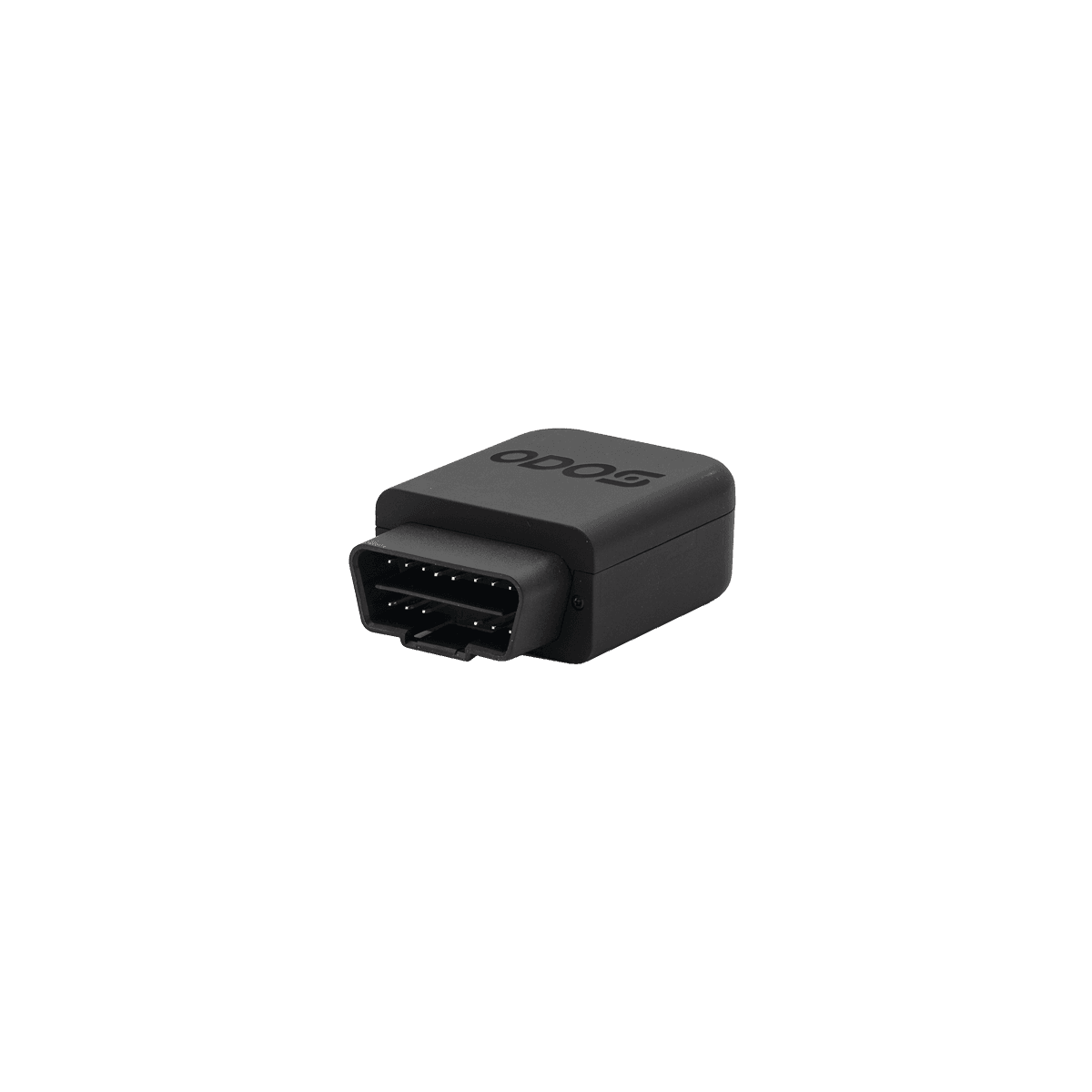
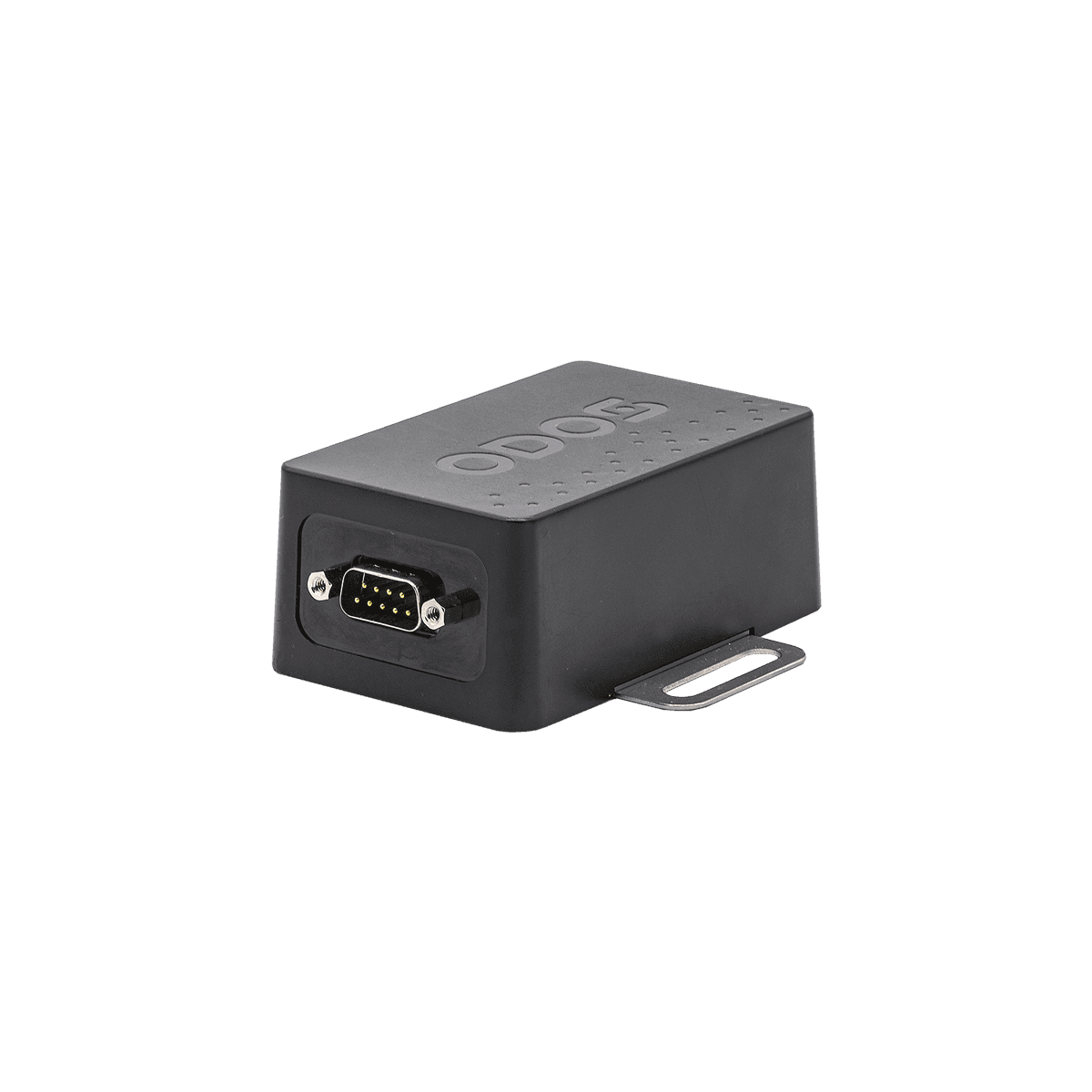
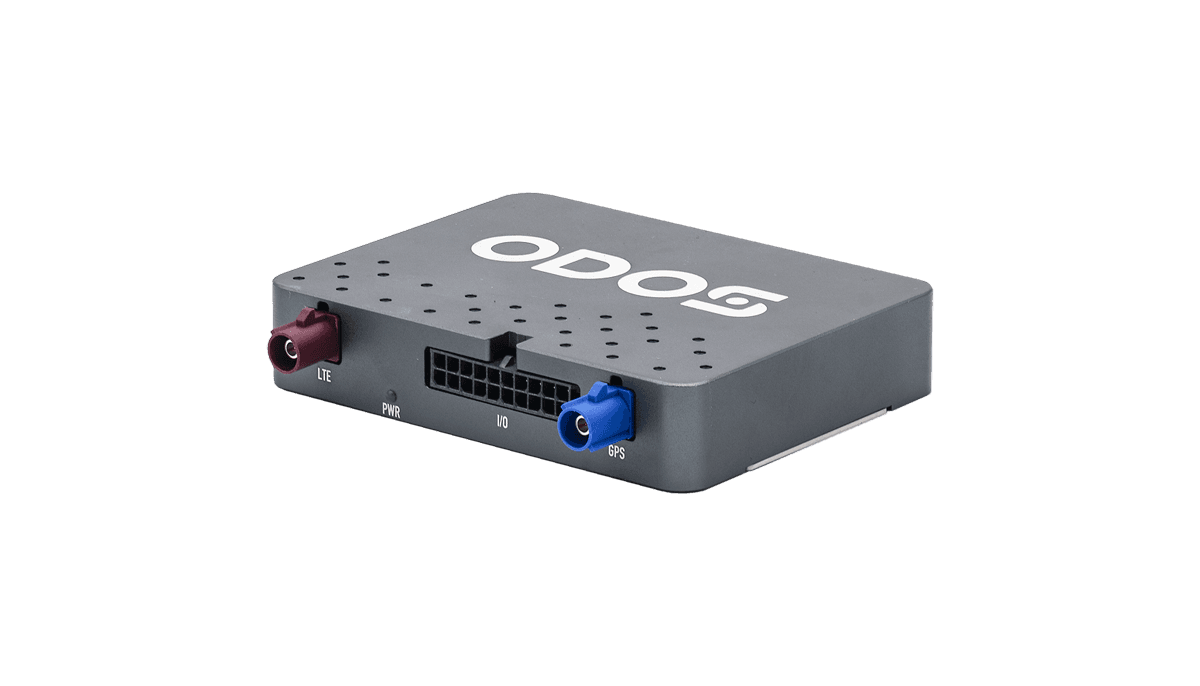
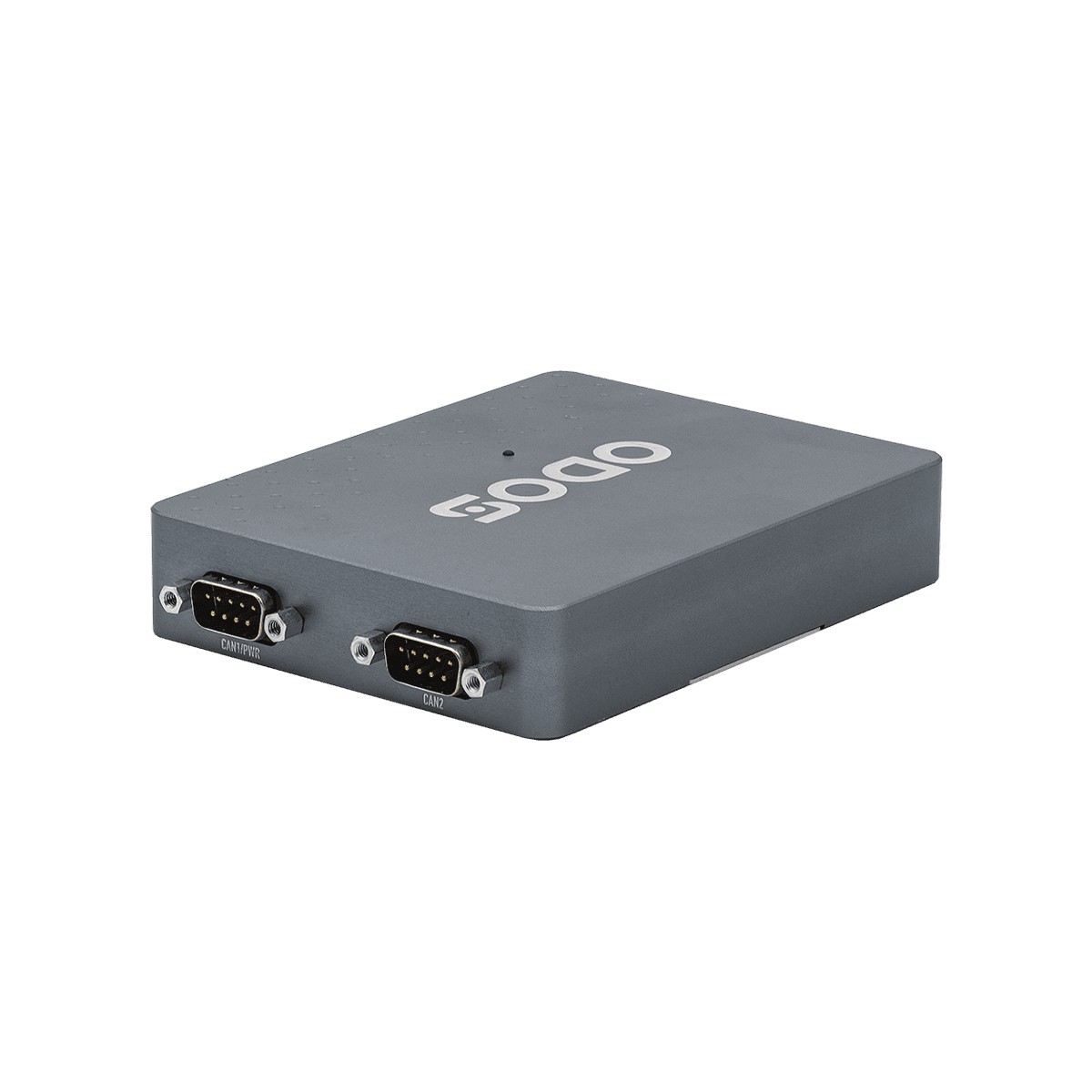
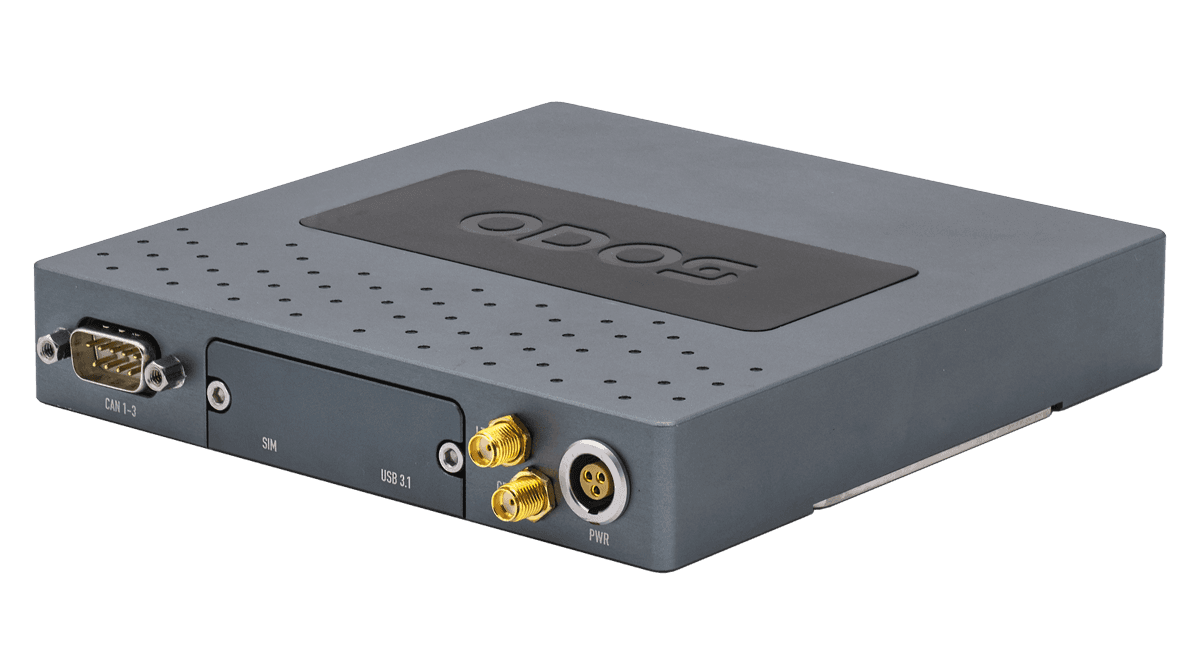
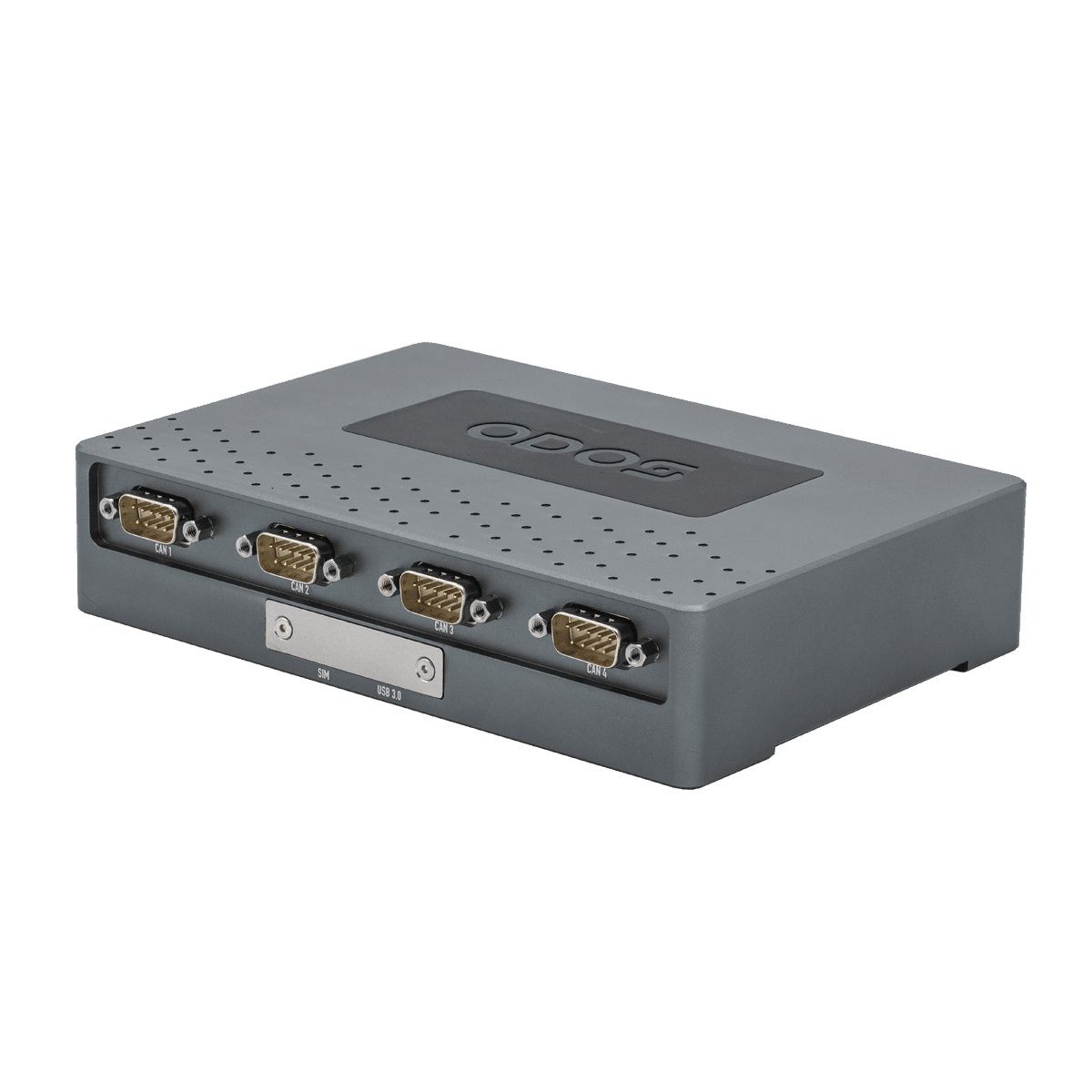
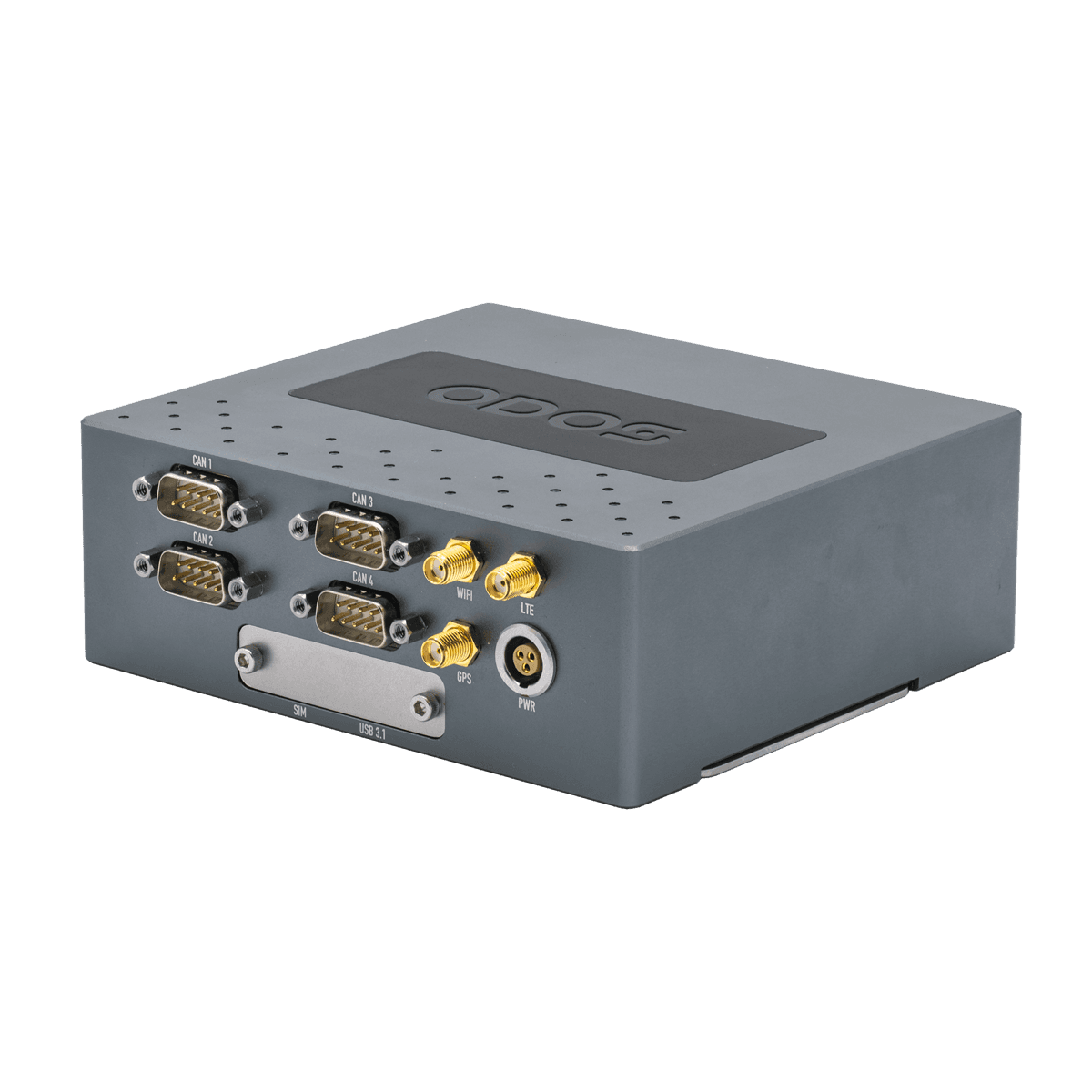
Cloud-native logger light systems are designed specifically to modernise automotive data logging.
Built for simplicity and scale, they are plug-and-play devices that allow vehicles to be instrumented and deployed in minutes rather than days. Configuration is managed centrally in the cloud, ensuring consistency and data reliability across entire fleets.
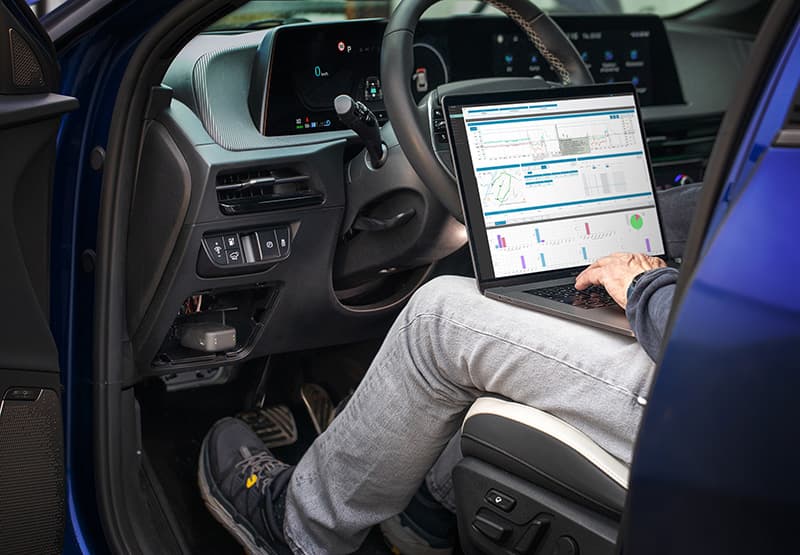
Instead of manual downloads and PC-based ingestion, data is streamed and processed in real time. Engineers gain fleet-wide visibility, live analytics, and over-the-air updates without physically accessing the vehicle.
Whether supporting local R&D programmes or managing global production fleets, cloud-based automotive data logging systems scale effortlessly, allowing engineering teams to focus on product development rather than infrastructure management.

Organisations adopting modern automotive data logging systems are dramatically shortening their development cycles.
By reviewing data live during test runs, diagnosing issues immediately, and deploying fixes remotely, teams move from reactive analysis to proactive optimisation. The outcome is greater efficiency, improved flexibility, and a measurable competitive advantage.
The automotive industry cannot afford to underutilise its most valuable asset: data. Innovation is not about collecting more information. It is about implementing the right automotive data logging system to transform vehicle data into real-time action.
Forward-thinking engineering teams are already making that shift.