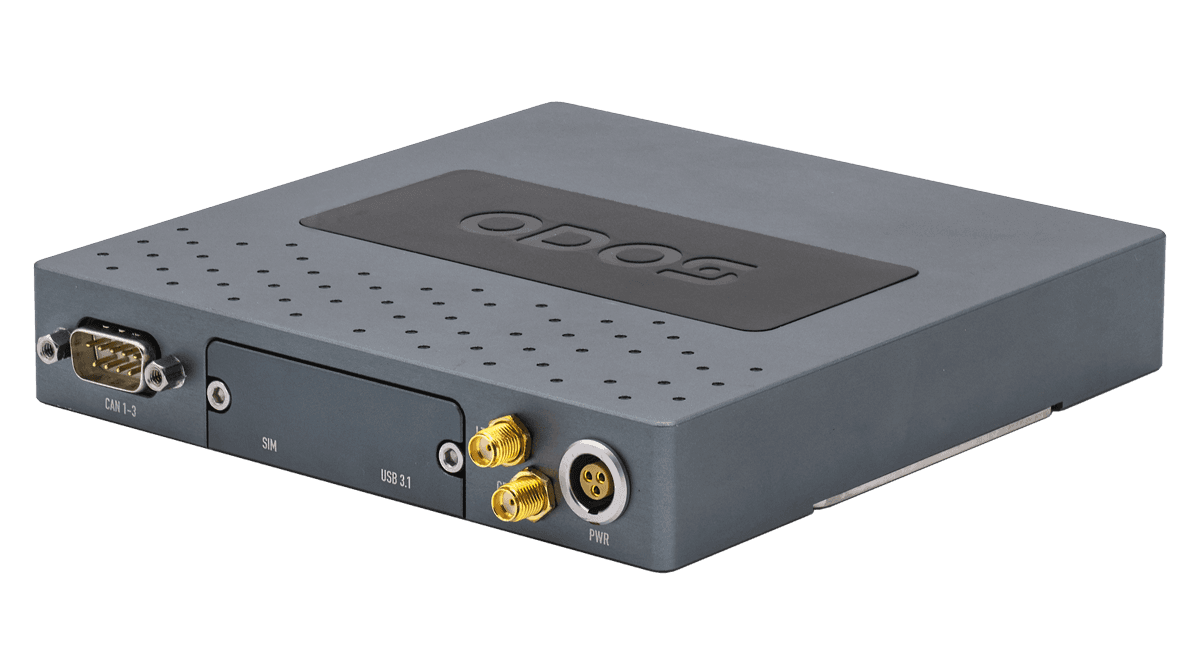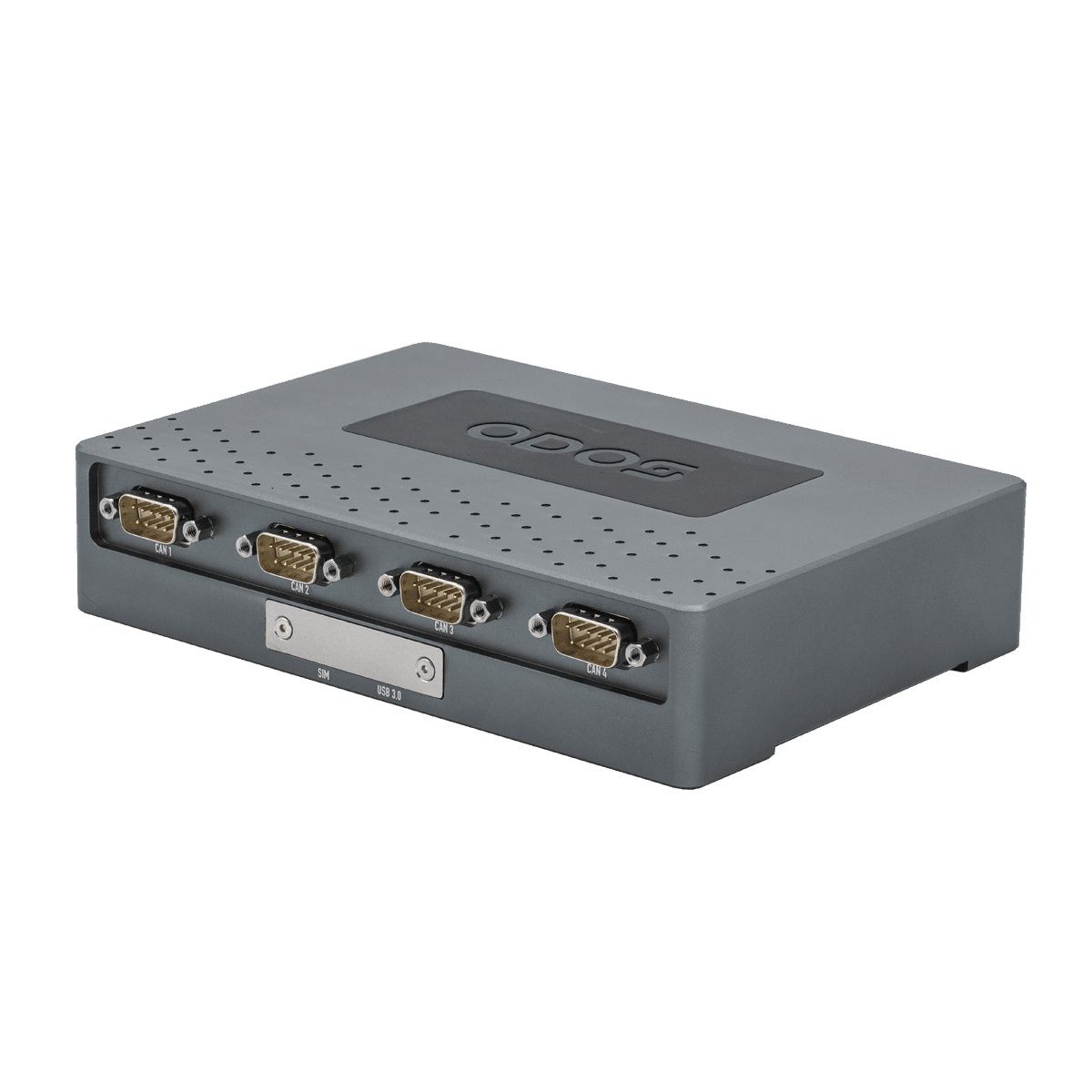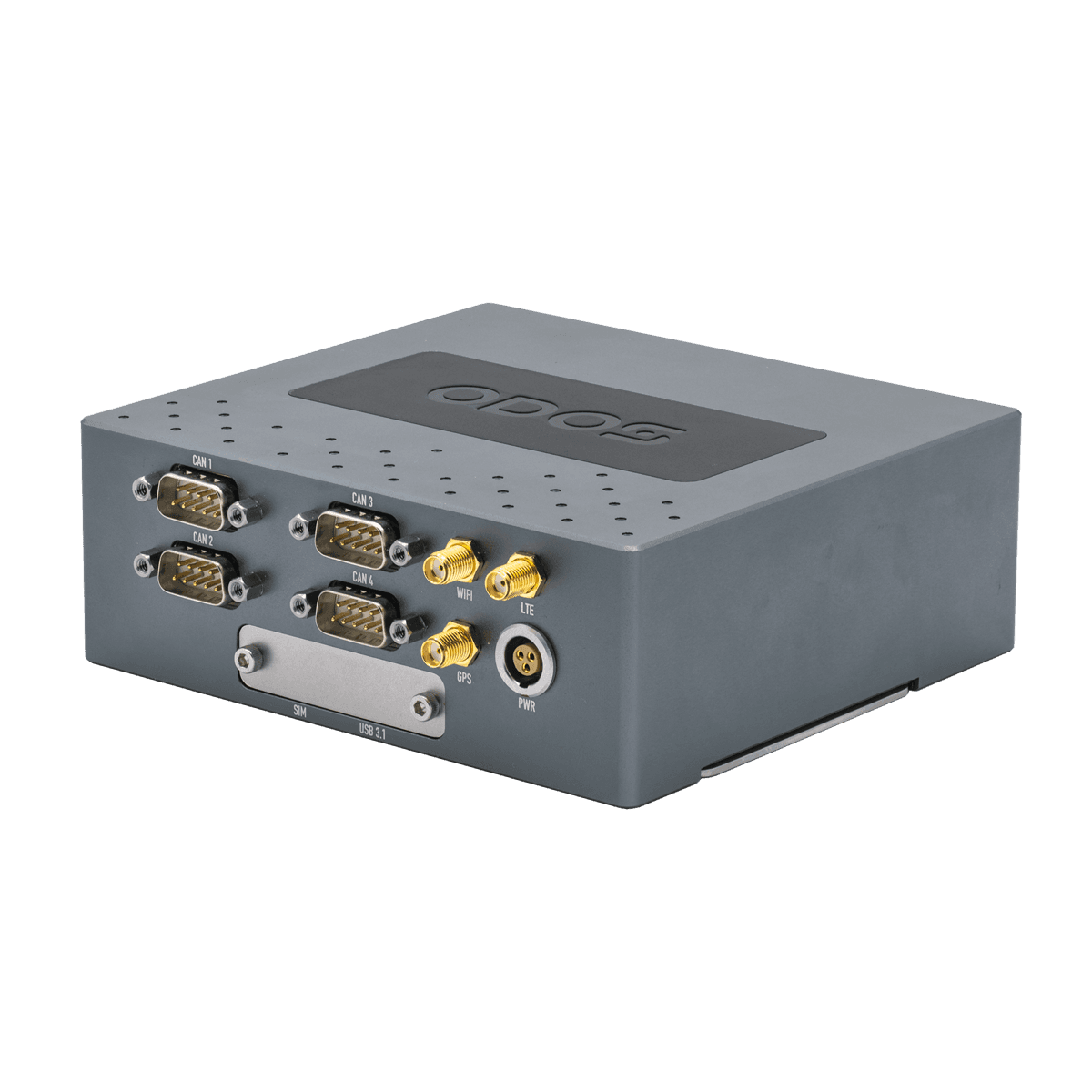
As the UK moves closer to introducing self-driving passenger services and manufacturers accelerate investment in autonomous vehicle technology, the conversation is shifting from whether autonomous vehicles can operate independently to how they can be monitored, validated and continually improved once they enter real-world service.
The challenge in autonomy is no longer simply whether a vehicle can navigate independently. It is whether the vast volumes of operational data generated every second can be turned into meaningful engineering insight quickly enough to improve performance, support decision-making and build confidence in real-world operation.
That shift is already visible across advanced vehicle development. Engineering teams are moving away from manual data retrieval and towards cloud-connected environments that support continuous monitoring, remote diagnostics and near real-time analysis.
Recent announcements, including Uber’s plans to launch a robotaxi service in London with Wayve and the UK Government’s move to open applications for self-driving passenger services, make that challenge increasingly immediate.
Data is becoming central to autonomy
Much of the public discussion around autonomous vehicles focuses on what they can do: detect hazards, interpret road conditions and make driving decisions without direct human input. Those capabilities remain fundamental. But as autonomous and software-defined vehicles move closer to deployment, a broader engineering question is coming into focus: how do organisations manage the volume and complexity of the data these systems create?
Autonomous platforms rely on continuous streams of information from sensors, onboard systems, vehicle networks and control software. That data matters in the moment, but its value extends far beyond individual journeys. It supports validation, software refinement, safety assurance and the investigation of unusual operating scenarios.
Autonomous mobility is therefore not simply about what a vehicle can perceive on the road. It is also about what engineers and operators can learn from that vehicle afterwards – and how quickly those lessons can be fed back into development.
Turning operational data into engineering insight
This is where the real challenge begins. The issue is no longer data generation alone, but data usability.
The scale is significant. A modern connected vehicle may generate around 25 GB of data per hour, while fully autonomous vehicles are widely expected to produce 1-4 TB per hour, depending on sensor architecture and operating model. That means the data challenge in autonomy is on a completely different order of magnitude from that of conventional connected vehicles already on the road.
For engineering teams, the question is not simply how to store that data, but how to use it. They need to identify what matters, isolate unusual events quickly, link behaviour to real operating conditions and feed lessons from one vehicle or journey back into wider system improvement.
That is why continuous telemetry, remote diagnostics and cloud-based collaboration are becoming more important across advanced mobility programmes. Rather than waiting for vehicles to return from testing before downloading and reviewing data, teams increasingly need the ability to monitor performance remotely, investigate anomalies sooner and share insights across dispersed engineering operations.
As deployments scale, those capabilities become even more important. What is manageable in a tightly controlled pilot becomes far more complex when autonomous systems operate across wider geographies, denser traffic, changing weather and more varied operating environments. At that point, the ability to search, interpret and act on operational data efficiently becomes a core capability.
The future of autonomous mobility will depend on operational intelligence
As the UK develops its regulatory pathway for self-driving passenger services, the conversation will rightly continue to focus on safety, readiness and public trust. But the industry’s ability to meet those expectations will depend in part on something less visible: operational intelligence.
Confidence in autonomous mobility will not come from driving capability alone. It will come from the ability to show that systems can be continuously monitored, understood and improved using real-world evidence. That requires organisations to capture the right data, interpret it efficiently and feed those insights back into engineering and operational decision-making at speed.
The organisations best placed to succeed in autonomous mobility are therefore unlikely to be those focused solely on autonomous driving capability. They will be those able to build an effective feedback loop between what happens in the field and the teams responsible for improving system performance.
Autonomous mobility should be viewed not simply as a breakthrough in vehicle technology, but as a test of data capability. As self-driving services move closer to everyday reality, the ability to transform operational data into meaningful engineering insight may prove just as important as the technology doing the driving.