The transition from lead-acid to lithium-ion batteries in rail applications represents a significant advancement for the industry. While lithium-ion technology offers clear benefits – such as increased efficiency, longevity, and sustainability – understanding its full-scale performance is essential to ensuring optimal operation. Real-world collaborations, such as recent trials with leading developer like AMP Rail, have highlighted the crucial role that real-time data plays in supporting this shift. Data is crucial for assessing battery health, efficiency and longevity. The longer lifespan of lithium-ion batteries presents new challenges and without precise, real-time data, operators cannot fully understand performance boundaries.
Rail operators need detailed insights into how these batteries function under real-world conditions; without this knowledge, they won’t be able to identify inefficiencies or resolve potential failures before they escalate.
Understanding the shift: Why the rail industry is moving to Lithium-Ion
For decades, rail operators have relied on lead-acid batteries to start diesel engines and power auxiliary systems. However, these batteries come with significant limitations, including short lifespans, lower energy density, and environmental concerns. Lithium-ion technology is emerging as a superior alternative due to its lighter weight, longer cycle life, and higher energy efficiency. Although they have a higher initial cost, they offer long-term savings by reducing maintenance needs and extending replacement intervals. However, the adoption of this technology without a comprehensive understanding of its real-world performance could lead to operational disruptions. This is where data logging becomes crucial.

Challenges in the transition to Lithium-Ion batteries
One of the key challenges in transitioning to lithium-ion batteries is ensuring consistency in their performance. Variability between battery batches can present issues when deployed in the rail industry, where equipment operates under highly demanding conditions. Unlike consumer products, rail assets are in near-constant use, maximising uptime but also placing significant stress on the batteries.
These stresses are amplified by environmental extremes – lithium-ion systems must operate reliably in climates ranging from sub-zero Arctic mornings to desert heat exceeding 50°C. Additionally, safety remains a core concern. The potential for thermal runaway and overheating means that detailed, real-world performance data is essential for both validating safety and ensuring resilience under pressure. Without this data, operators risk relying on assumption-led diagnostics, leading to avoidable battery swaps, inefficient maintenance cycles, and increased costs.
The role of data in optimising Lithium-Ion battery performance
Data logging technology will play a pivotal role in supporting rail operators by providing real-time insights into battery performance. By monitoring key parameters such as battery degradation, charge cycles, voltage stability, and energy usage, rail operators can optimise fleet performance while reducing diagnostic times. Real-world implementations have demonstrated that with the right data, critical failures in harsh environmental conditions can be completely avoided, improving both safety and confidence in lithium-ion systems.
This shift to data-driven maintenance enables early fault detection, extends battery life, and reduces the need for manual inspections. Such outcomes not only prevent costly failures but also support long-term investment strategies by informing predictive maintenance schedules. As lithium-ion adoption accelerates, this kind of visibility is essential to overcome both technical uncertainty and legacy infrastructure limitations.
Overcoming Environmental and Thermal Challenges in Rail Data Logging
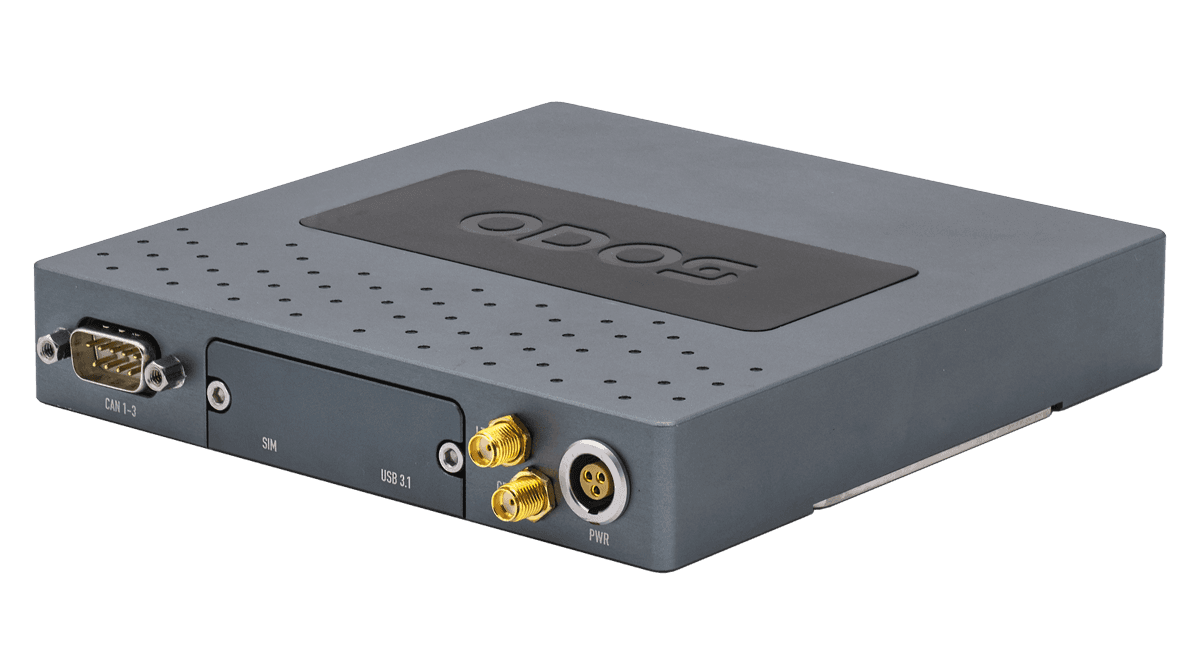
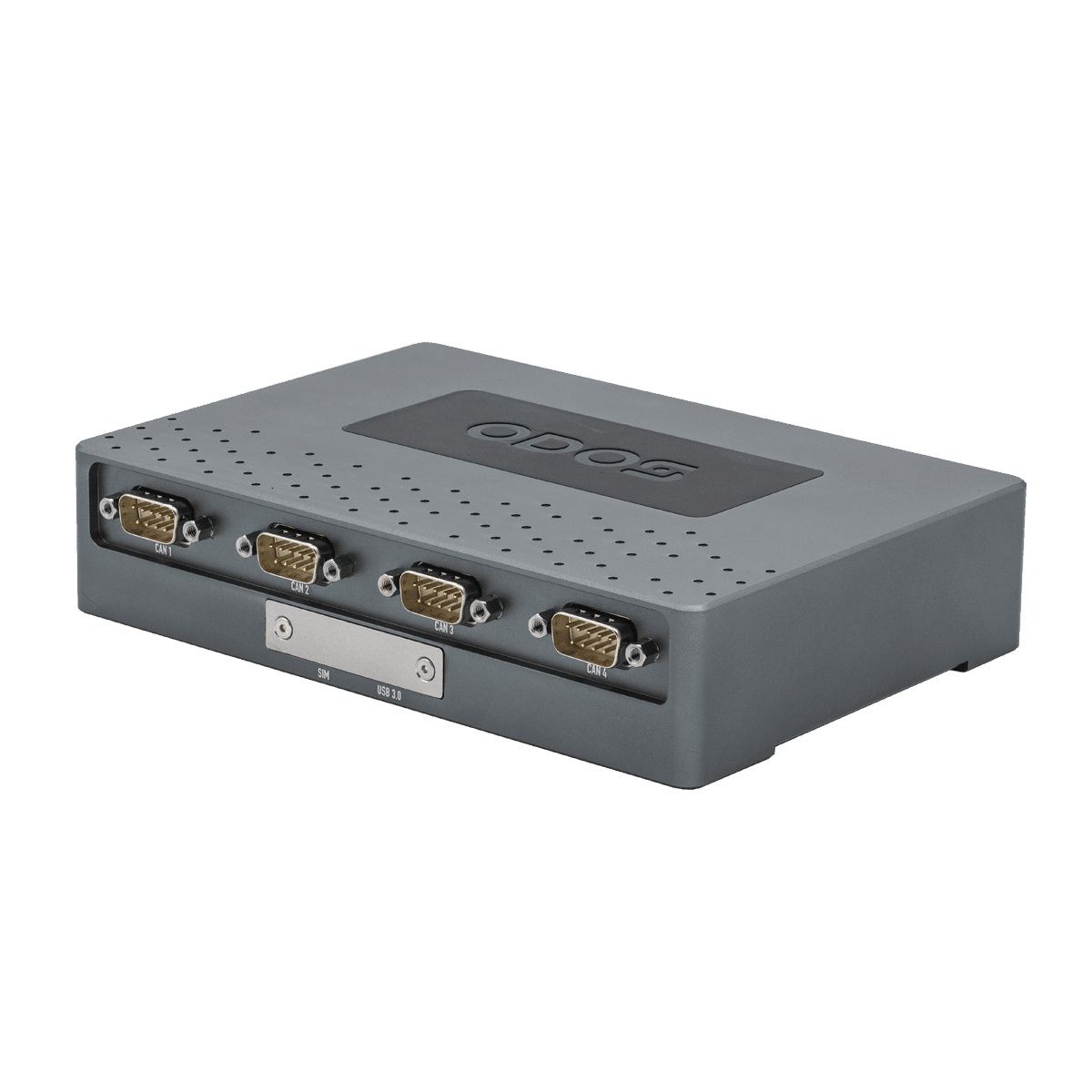
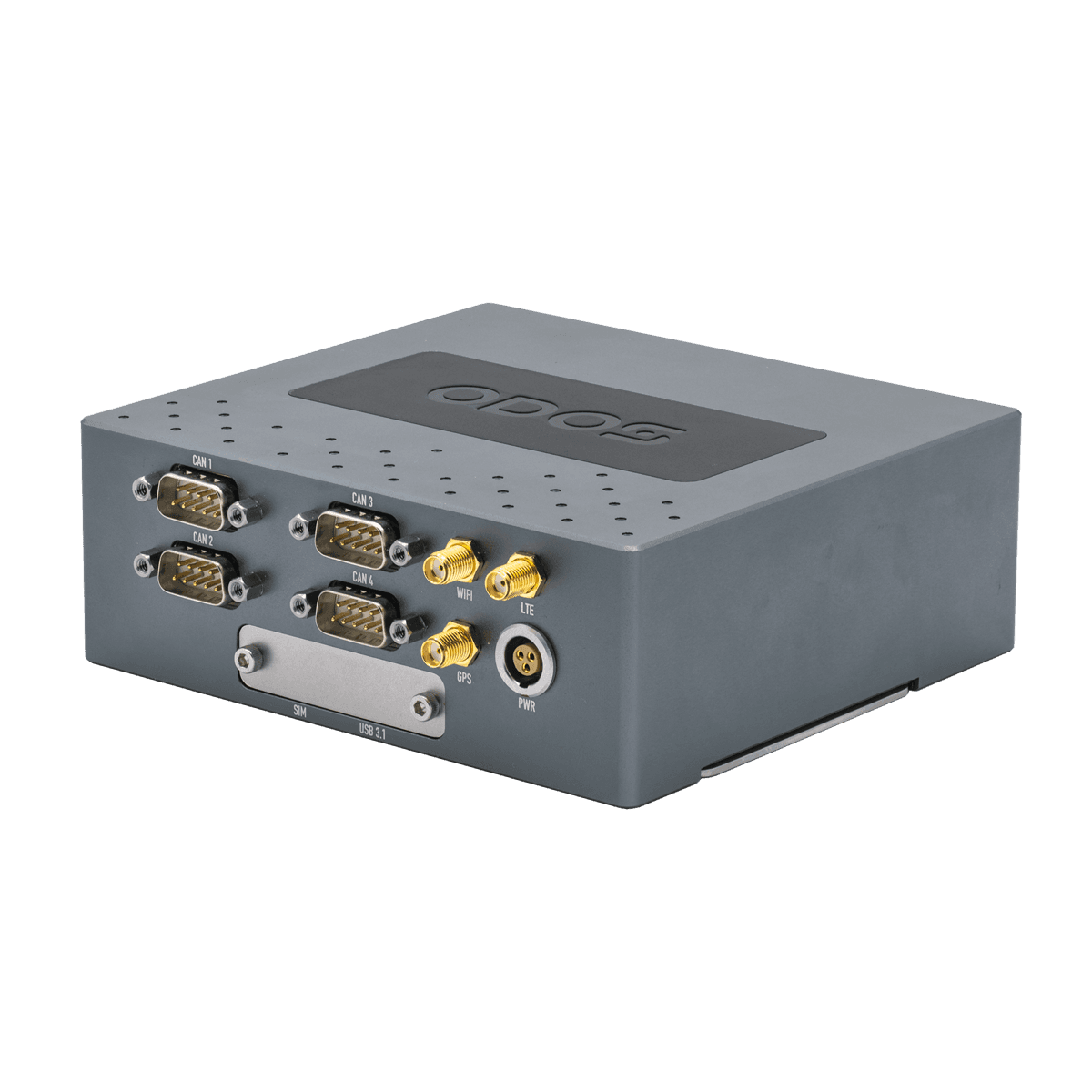
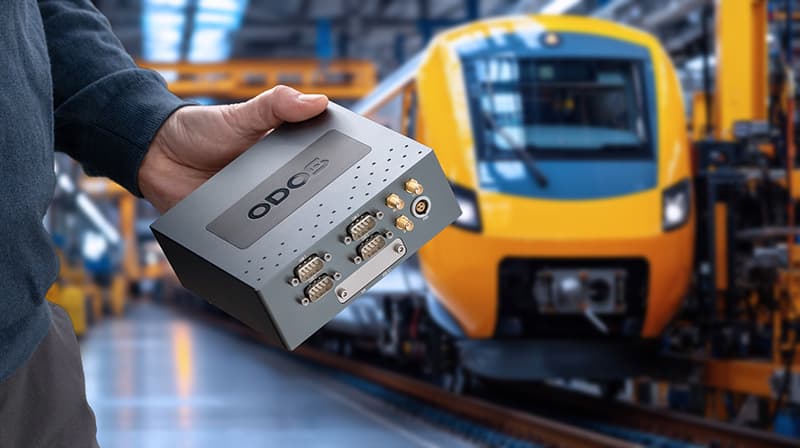
One of the primary concerns in rail applications is environmental exposure. Depending on where the data logger is installed, it could be exposed to elements such as water, dust, and extreme temperatures. This is particularly relevant in commercial trains, where frequent door operations expose components to external conditions. Additionally, trains operate at high speeds and are subject to constant vibration, which can be detrimental to electronic components, particularly those with moving parts. A data logger designed for this environment must be ruggedised to withstand such forces without degradation.
Thermal management is equally critical. Lithium-ion batteries generate significant heat during operation, necessitating integrated cooling solutions to ensure consistent performance and prevent failure. In proven rail trials, real-time logging of temperature patterns and current draw has been instrumental in mitigating risks such as thermal runaway. These systems must also have robust processing and storage capacity to manage high-frequency data capture across a broad temperature spectrum.
Lessons from the automotive sector: Why data-driven monitoring matters
Industries that rely on high-performance battery technology, such as automotive and aerospace, have long understood the value of real-time data tracking. A luxury sports car manufacturer, for example, used data logging to detect unauthorised vehicle use before it even reached the test track. Similarly, in rail applications, detailed monitoring ensures that improper battery usage, inefficiencies, or degradation do not go unnoticed, safeguarding both assets and operational performance.
Conclusion
The transition from lead-acid to lithium-ion batteries in rail applications offers substantial technical, environmental, and operational benefits. Lithium-ion batteries provide longer life cycles, faster charging and higher energy density, while data logging and remote monitoring systems help optimise performance, reduce downtime and improve safety. By utilising cloud-based technology like ODOS’ solutions, rail operators can track real-time data, identify potential issues early and make informed decisions about their investments in new technology.
As the rail industry continues to embrace lithium-ion technology, the key to success lies in proper testing, training, and data management. With the right systems in place, rail operators can maximise the benefits of lithium-ion batteries, ensuring efficient, reliable, and cost-effective operations for the long term.
Find out how ODOS can make a difference in your work. Reach out today, and let’s talk about it.