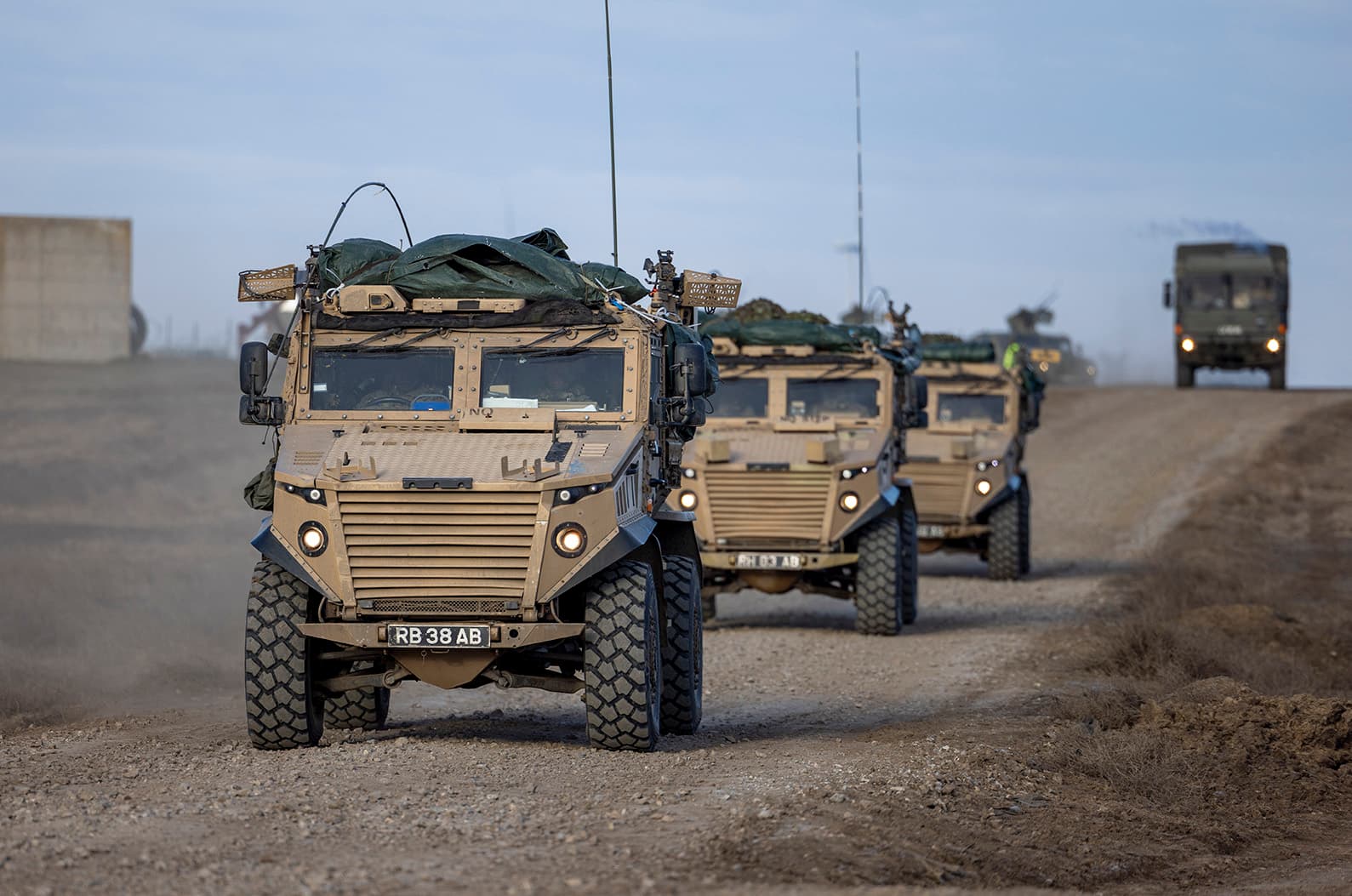
Cover Image: UK MOD /Photo: Sgt Anil Gurung RLC Photographger / OGL (Open Government License
Across today’s defence sector, data is as critical as armour or firepower. Armed forces and their industry partners increasingly recognise that success now depends on the ability to collect, process and act on information at speed.
The UK Ministry of Defence (MoD) underlines this in its Digital Strategy for Defence, which defines data as a strategic asset and calls for a secure, interoperable “Digital Backbone” to connect systems, services and partners across all domains. Its vision is to make data “accessible, trusted and shareable by design” ensuring information flows freely between forces, allies and industry to enable faster decisions and greater operational agility.
From intelligence gathering and mission planning to logistics and sustainment, the capacity to exploit information effectively can determine whether a force gains or loses its competitive edge. While much of the conversation focuses on command-and-control or intelligence systems, one of the most urgent frontiers lies in how data is harnessed during military vehicle development and testing – where safety and mission readiness are validated long before deployment.
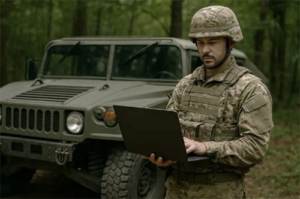
Next-generation military land platforms produce unprecedented volumes of high-fidelity telemetry. Hybrid and electric drivetrains, alongside conventional powertrains, produce continuous streams of critical data, including battery state-of-health, inverter efficiency, generator load, drivetrain dynamics and thermal performance. Each parameter is essential for safe operation and optimal performance.
In traditional post-test workflows, this data is often analysed only after trials conclude. For hybrid combat vehicles, this delay can obscure early indicators of thermal stress, battery degradation, or drivetrain anomalies, leading to costly retests or compromised mission readiness.
The real challenge is to integrate and act on telemetry in real time, under the same dynamic conditions vehicles will face in operational deployments. As the MoD notes, unlocking the power of data requires “modernising legacy systems, removing silos and empowering a digitally skilled workforce.”
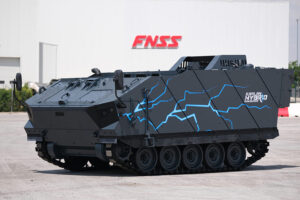
FNSS Savunma Sistemleri A.Ş., one of Türkiye’s leading defence manufacturers, faced this challenge when developing the Kaplan Hybrid. This next-generation military platform combines two 397-horsepower Permanent Magnet Synchronous Motors and an 800V Li-Ion battery with a 400-horsepower diesel generator.
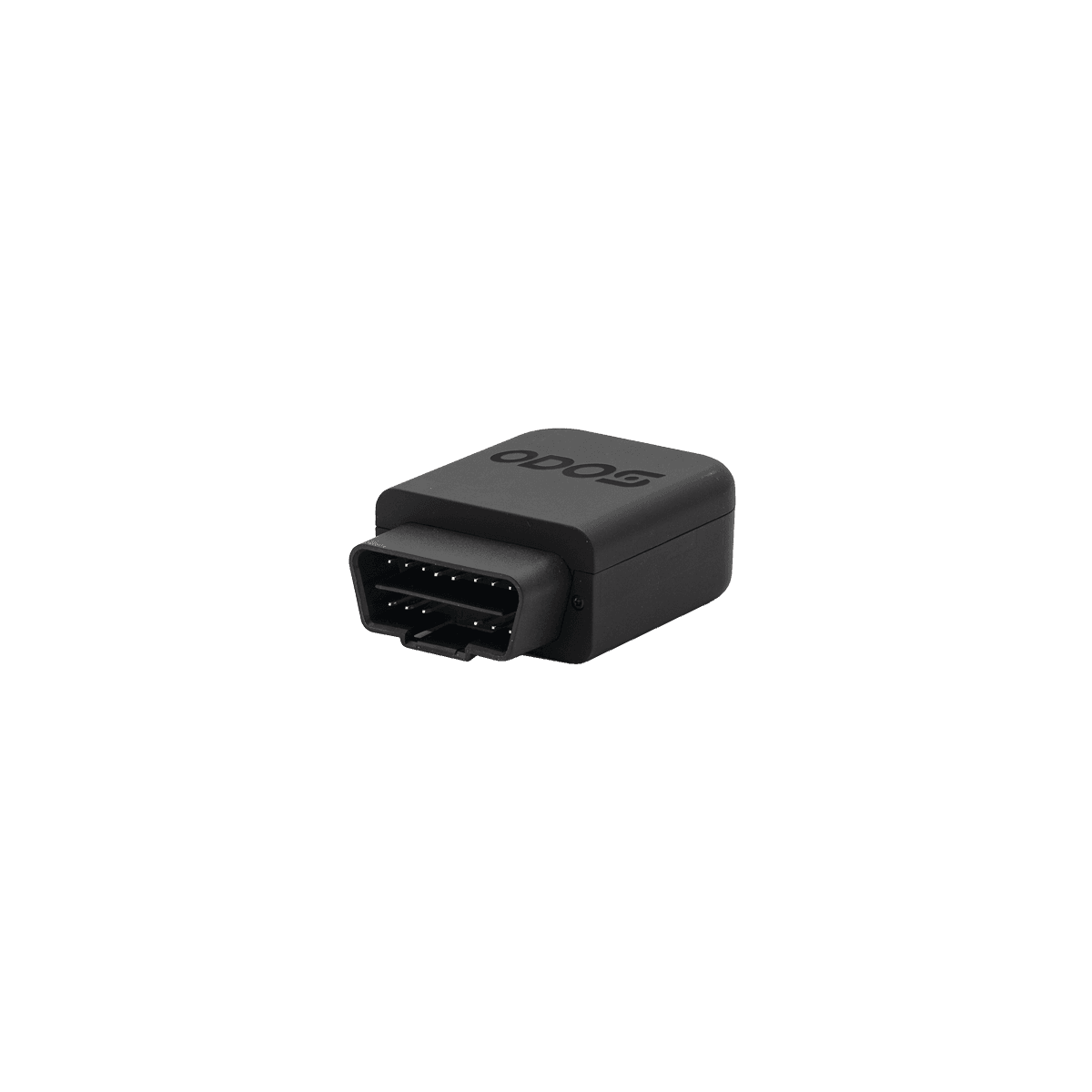
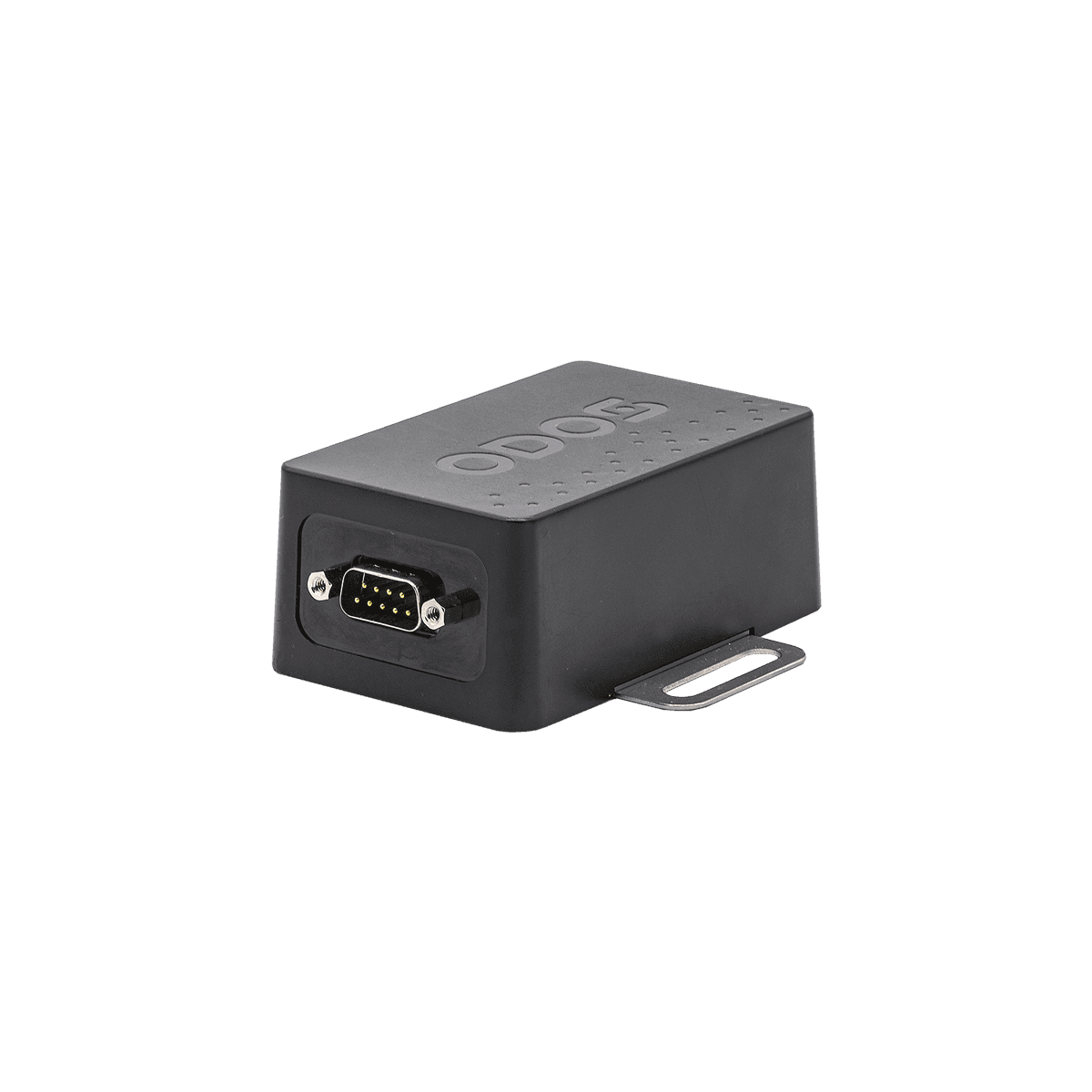
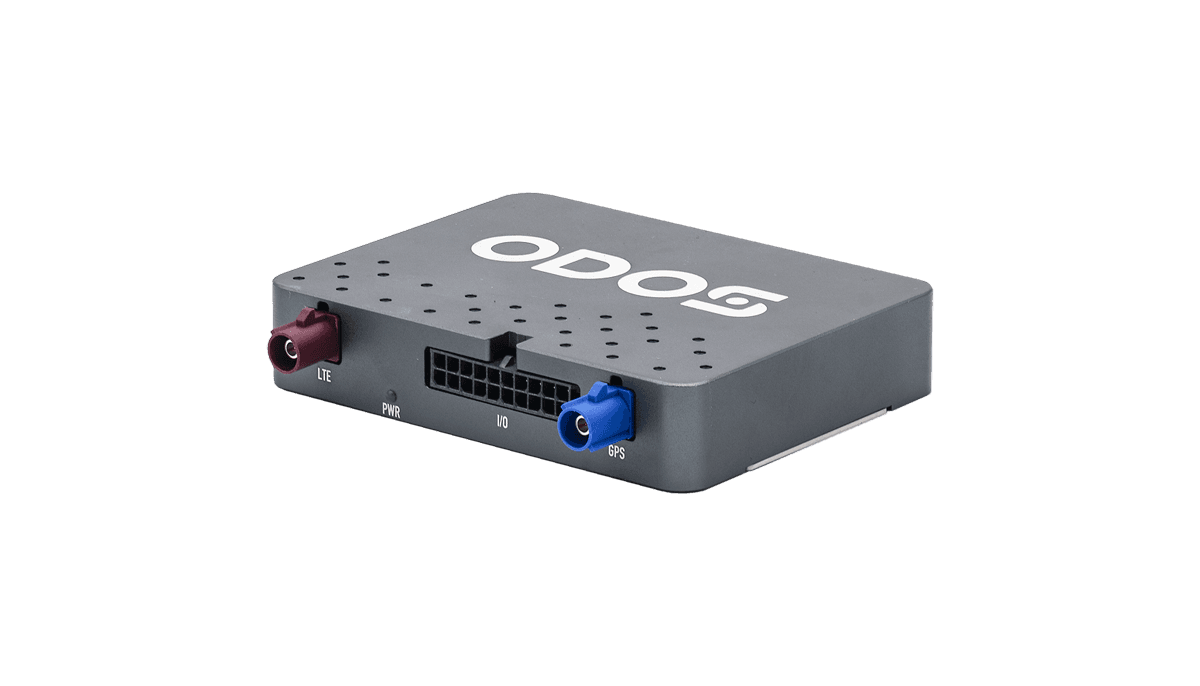
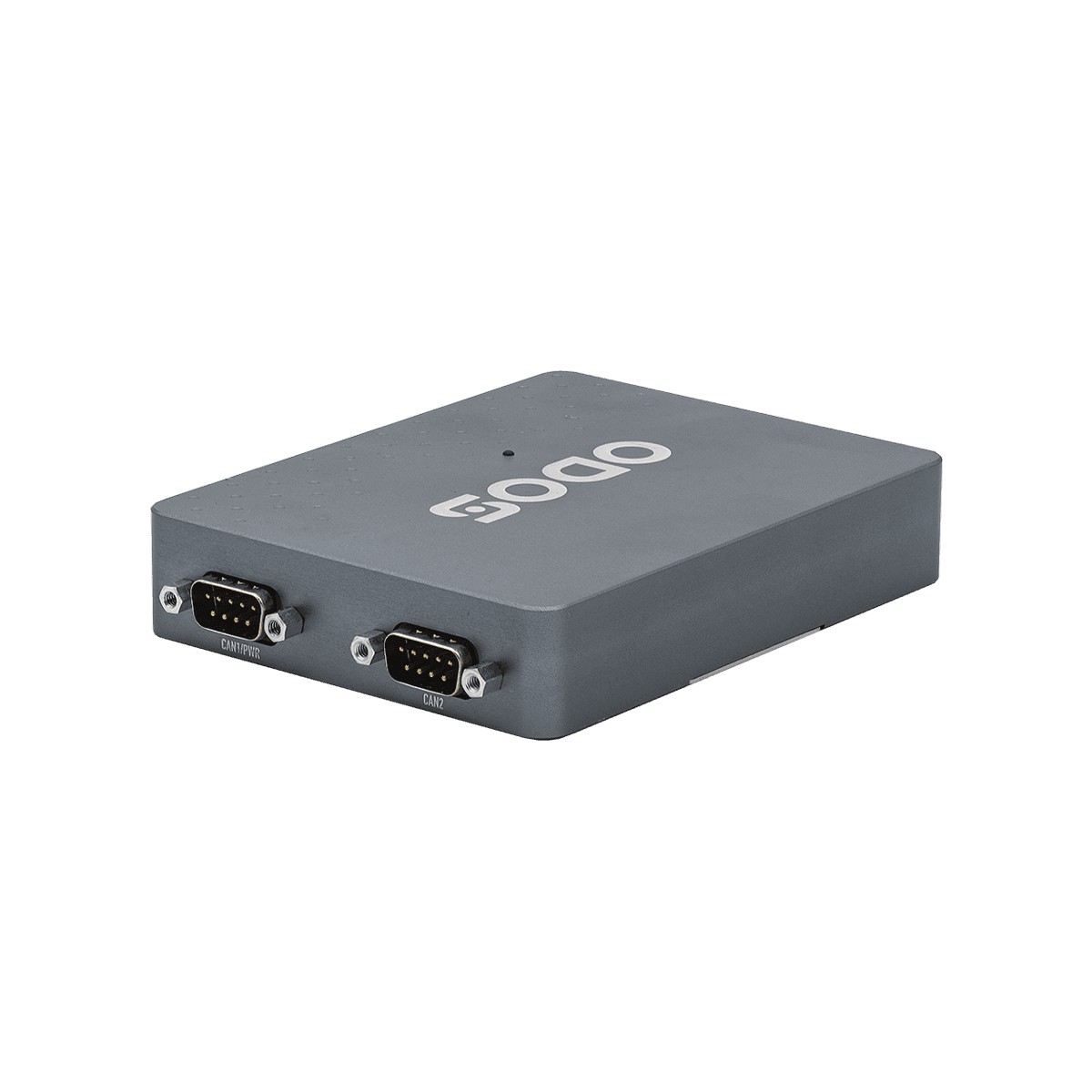
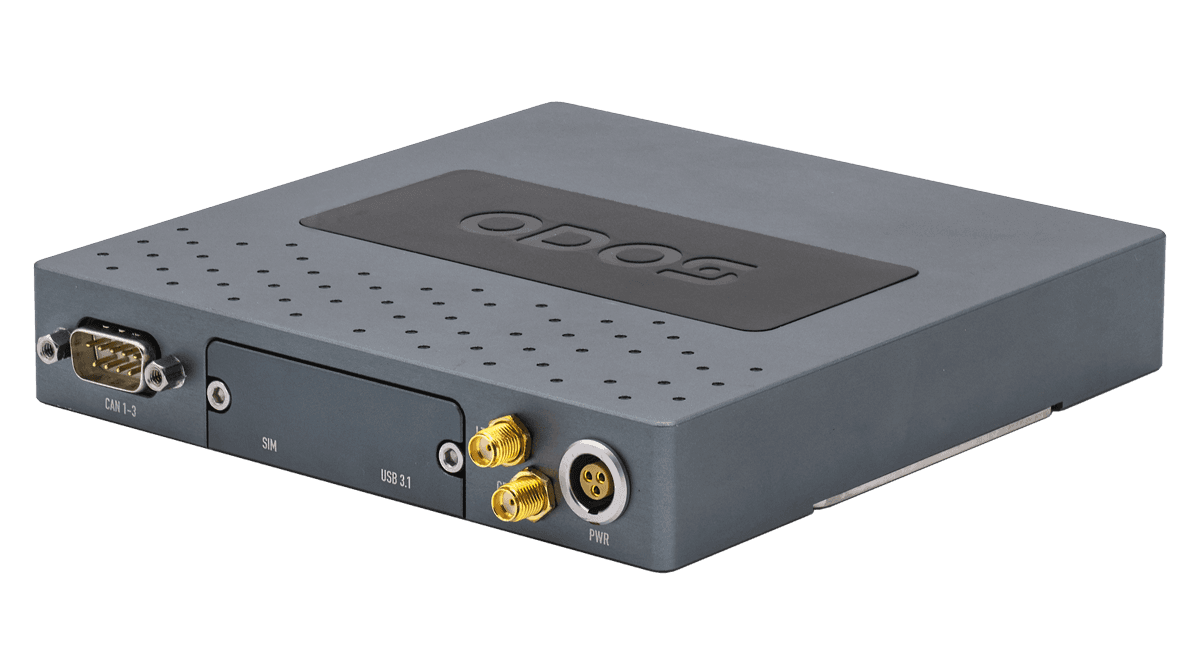
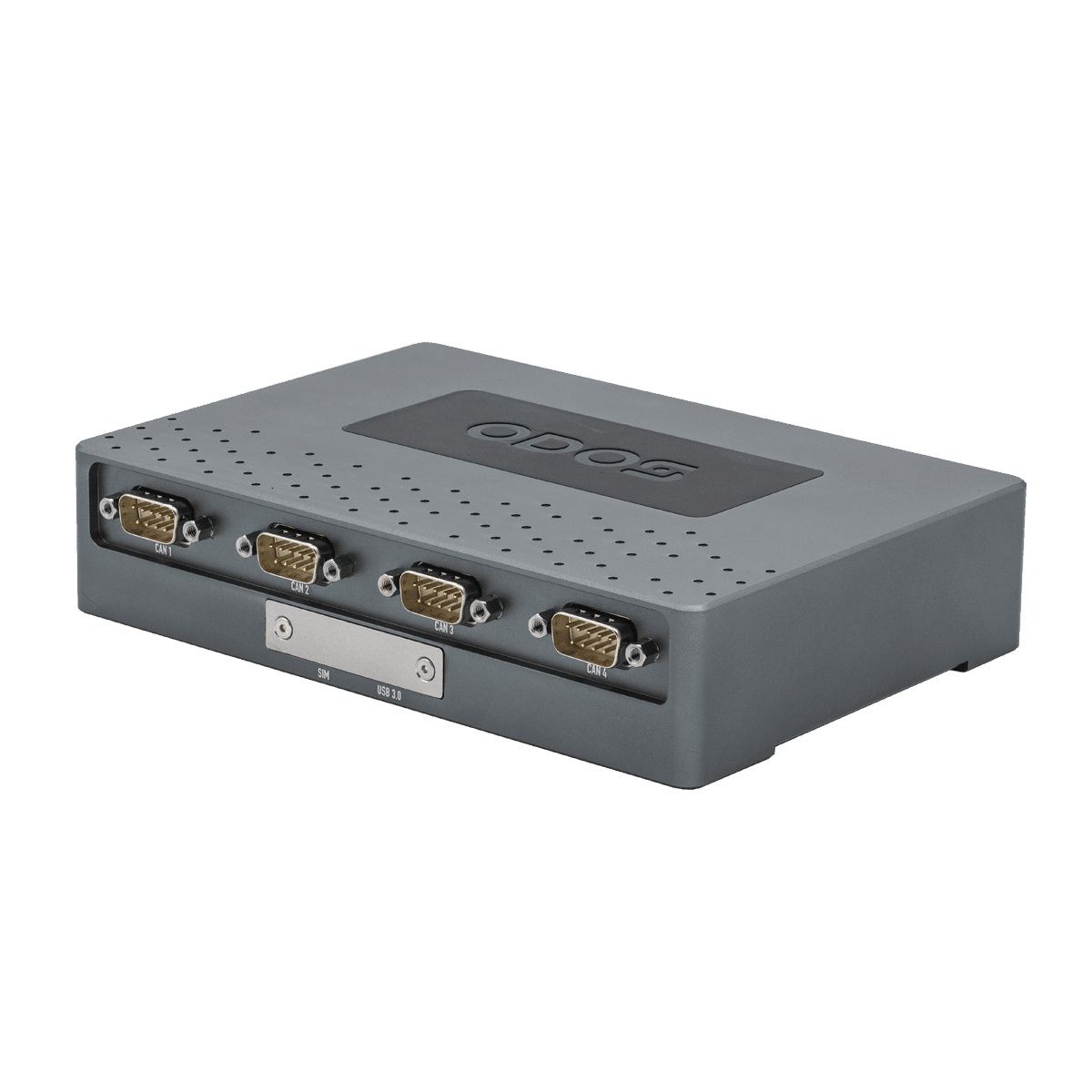
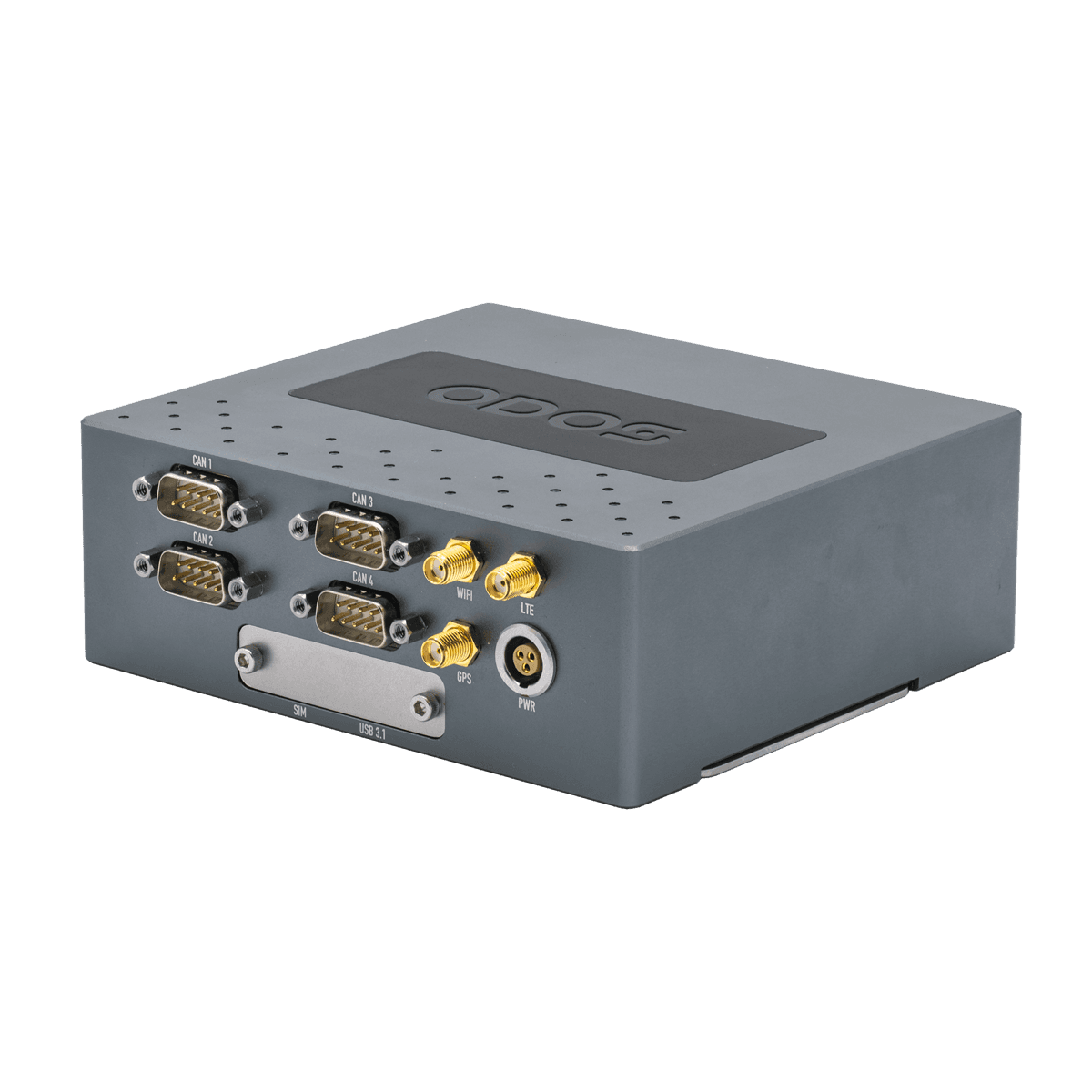
The hybrid configuration introduced significant engineering complexity. Post-trial CAN analysis slowed development and created blind spots in safety monitoring. FNSS addressed this by deploying ODOS’ rugged, real-time cloud data logging platform, which gave engineers instant, global visibility into drivetrain behaviour and safety-critical parameters during live trials.
The results were immediate. Engineering cycles shortened, risk of incidents dropped and the team could adopt a more proactive approach to mission readiness. The Kaplan Hybrid demonstrates how real-time data visibility transforms vehicle testing from reactive fault resolution to continuously operational assurance, encompassing predictive maintenance, performance optimisation and safety compliance.
The FNSS experience exemplifies a wider shift across the defence sector. Real-time data acquisition and analysis are transforming how technologies are developed and deployed. Continuous telemetry enables immediate fault detection and mitigation, reducing risk and preventing escalation to system-level failures. Shorter development loops accelerate operational readiness. Cloud integration facilitates cross-functional collaboration and parallel validation workflows. The result is higher confidence in vehicle reliability, performance and safety before deployment.
As the MoD’s strategy makes clear, “data underpins every aspect of Defence capability”, those who can transform it into actionable insight at pace will hold the advantage. Real-time telemetry moves defence programmes from reactive analysis to predictive control.

Maximising the value of vehicle data depends on data governance and workforce capability. However, legacy infrastructure, platform fragmentation and interoperability gaps continue to hinder effective data exchange across services and NATO partners.
The MoD’s Digital Strategy commits to addressing these challenges through the Digital Foundry — a collaborative ecosystem designed to accelerate innovation and enable agile exploitation of Defence data. Yet the strategy also recognises that transformation is as much about people as technology: without skilled engineers, analysts, and operators, even the most advanced data architectures may fail to deliver operationally relevant insight.
As data becomes central to mission-critical operations, the cybersecurity risk surface expands accordingly. The Strategy therefore mandates that Defence systems be “secure by default and resilient by design,” ensuring operational continuity even under digital attack.
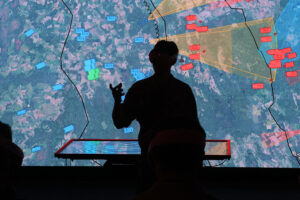
The trajectory is unmistakable: defence operations are evolving into fully data-driven ecosystems. Advancements in AI, machine learning and cloud computing are accelerating this shift by enabling faster analytics, autonomous insight generation, and predictive capability.
The FNSS Kaplan Hybrid programme illustrates the impact of real-time CAN-to-Cloud integration. In the coming era of digitalised defence, organisations that can acquire, contextualise, and operationalise vehicle data in real time will lead the next generation of defence innovation – fully aligned with the MoD’s vision of a connected, data-empowered military enterprise.
Read more
Read the full UK Ministry of Defence Digital Strategy for Defence – Delivering the Digital Backbone and unleashing the power of Defence’s data: https://assets.publishing.service.gov.uk/media/60afae56d3bf7f435f43c7af/20210421_-MOD_Digital_Strategy-Update-_Final.pdf
Read the full FNSS Kaplan Hybrid case study here: https://www.odosolutions.com/article/fnss