As hydrogen fleets scale across vessels, trucks and industrial equipment, fragmented data and limited real-time visibility create operational blind spots, delayed fault detection and increased downtime risk. To overcome this, a global maritime and logistics leader partnered with ODOS to implement a real-time, scalable CAN-to-Cloud monitoring architecture tailored to each asset type. With high-frequency data streaming into a centralised platform, engineering and operations teams gained instant visibility into performance, hydrogen system behaviour and emerging anomalies across the entire fleet. The result was earlier intervention, reduced downtime and continuous optimisation of hydrogen systems, turning hydrogen deployment from reactive risk management into proactive performance control, delivering a clear edge in reliability, scalability and speed to market.
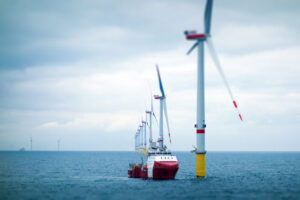
Our client is a large, diversified maritime and logistics organisation operating a global fleet of vessels and supporting equipment across multiple segments, including dry bulk shipping, tankers, container vessels, offshore wind support, and port operations.
As part of its long-term decarbonisation strategy, the organisation has been an early pioneer in hydrogen-powered transport solutions. Following early adoption of hydrogen-powered vessels, the company has steadily expanded its hydrogen-powered fleet across multiple international markets.
As the number of hydrogen assets grew in scale, geography, and technical complexity, the organisation recognised that high-quality operational data would be critical to ensuring safe, efficient, and optimised operation. To support this growth, the client required a robust and flexible monitoring solution capable of delivering real-time performance insights, early fault detection, and actionable feedback for both operational and engineering teams. To meet these needs, the company partnered with ODOS.
The rapid expansion of the hydrogen fleet introduced several operational and technical challenges.
One of the most significant was data fragmentation. Assets were distributed across multiple countries and operating environments, making it difficult to consistently collect, centralise, and analyse performance data.
Limited real-time visibility further complicated operations. Without high-frequency and reliable data logging, early detection of performance degradation or system faults was difficult, increasing the risk of unplanned downtime and reactive maintenance.
From an engineering perspective, the client also faced challenges in correlating real-world operational data with laboratory and test cell results. This gap limited the ability to optimise system calibration, validate performance assumptions, and continuously improve hydrogen engine designs.
Finally, the diversity of the fleet itself posed a challenge. Hydrogen-powered vessels, trucks, generators, and other mobile equipment all required different levels of monitoring sophistication, meaning solutions had to balance technical capability with cost and complexity across asset types.
ODOS worked closely with the client to deliver a scalable, asset-specific monitoring strategy across the hydrogen fleet. During early development phases with prototype vessels and has since expanded to include production vessels, trucks, generators, and other hydrogen-powered equipment.
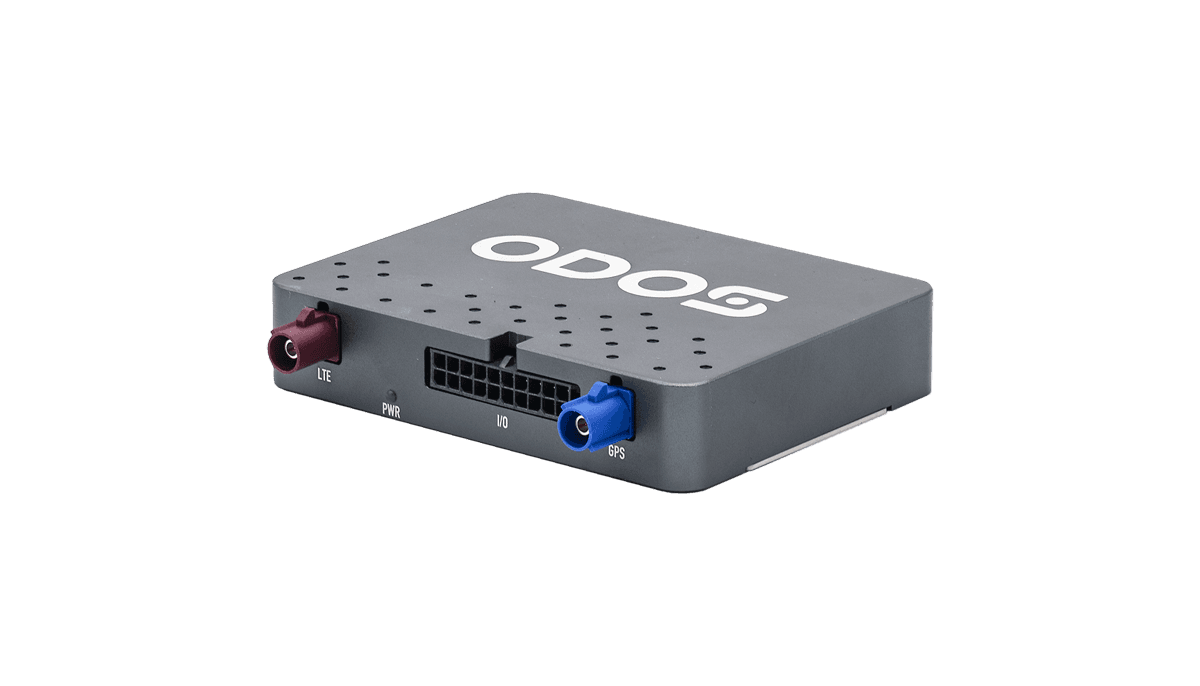
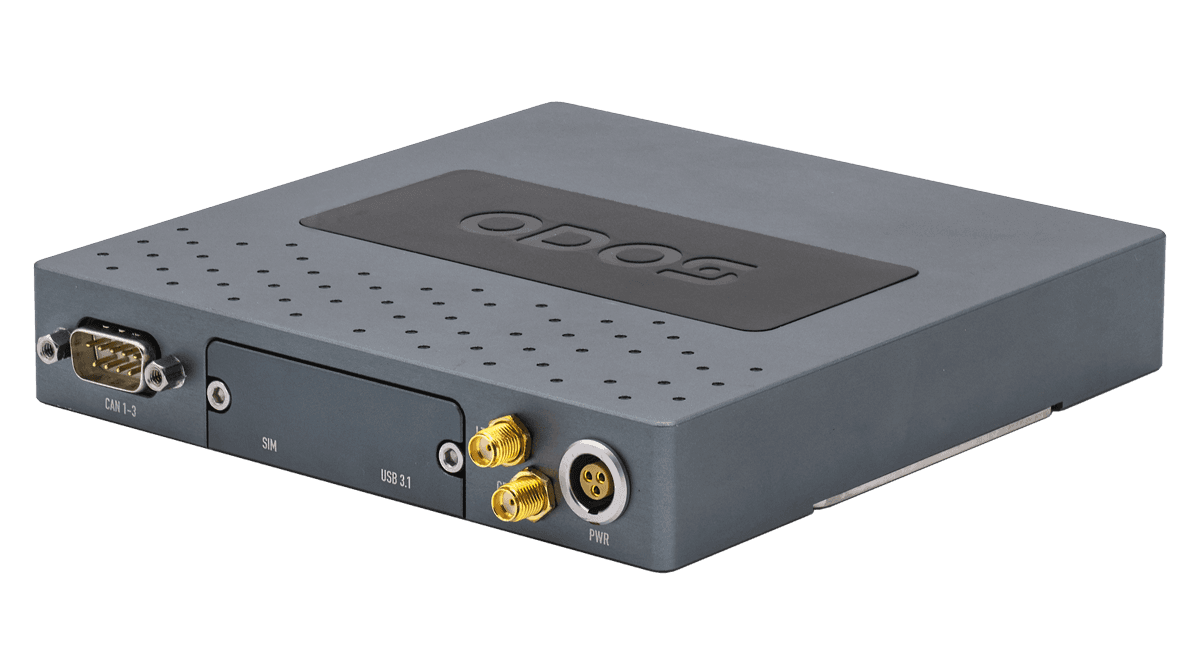
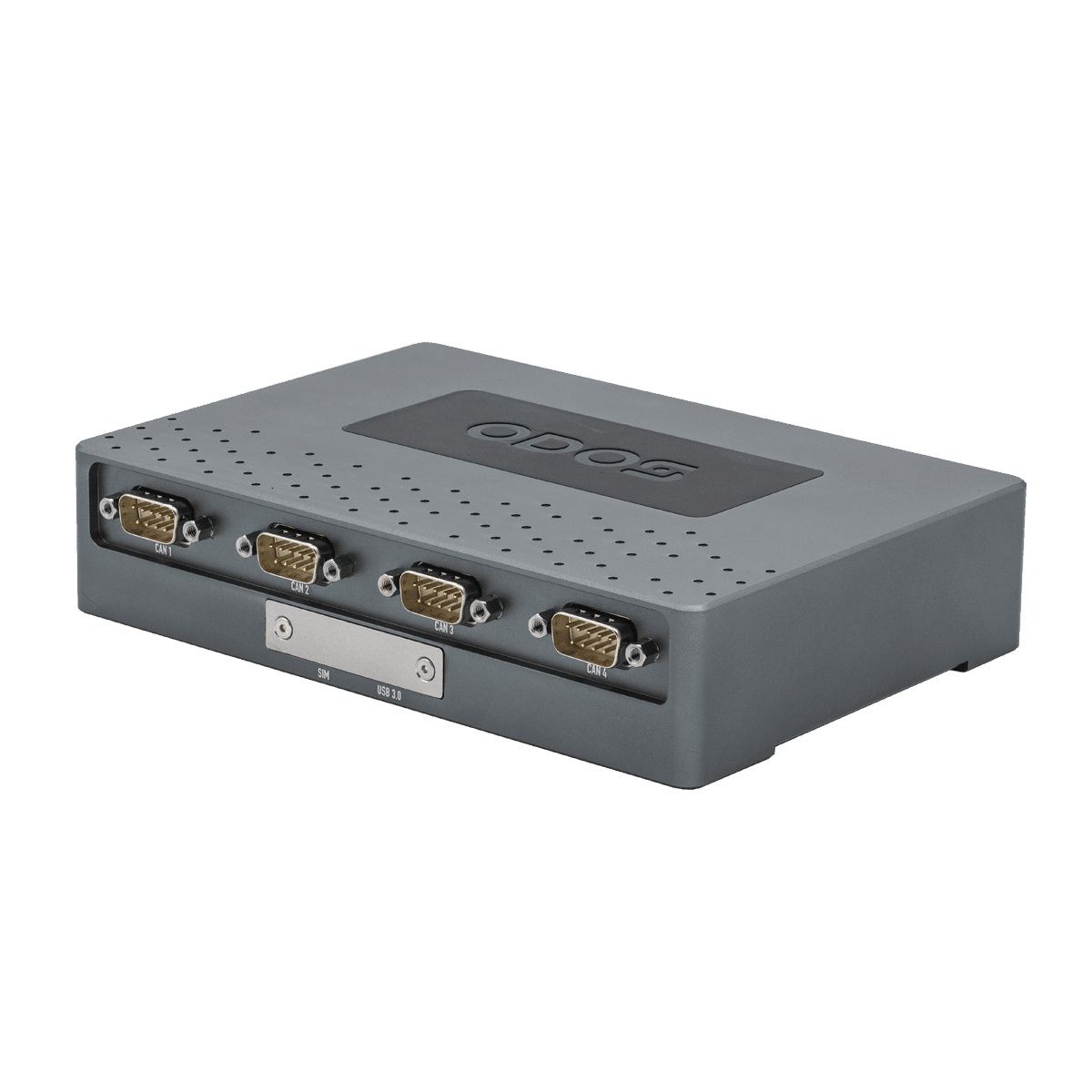
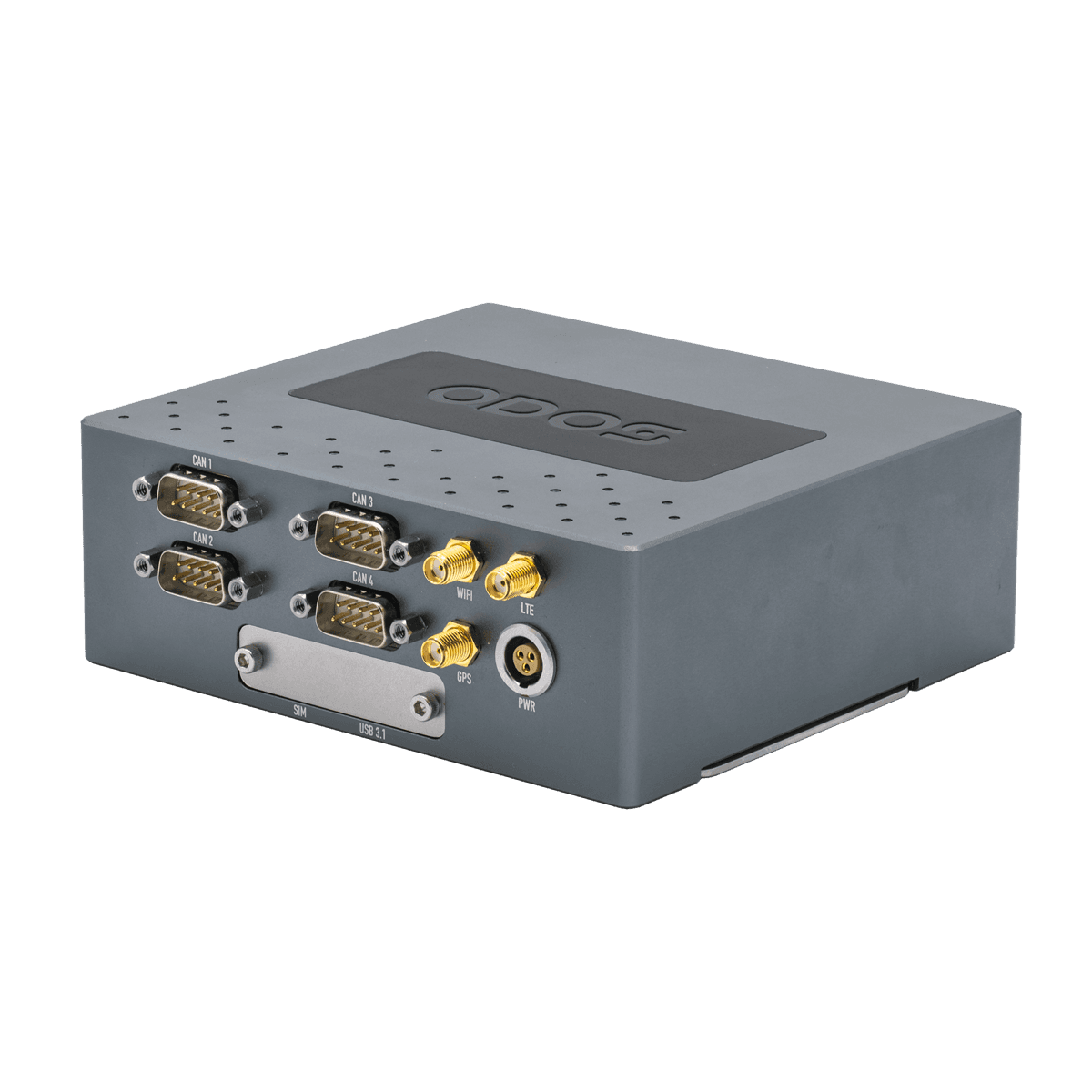
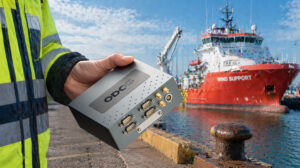
For technically complex assets such as hydrogen vessels, ODOS deployed its Megalog, capable of capturing multiple engine channels alongside hydrogen system parameters simultaneously. This provided deep, high-resolution insight into performance and operational behaviour.
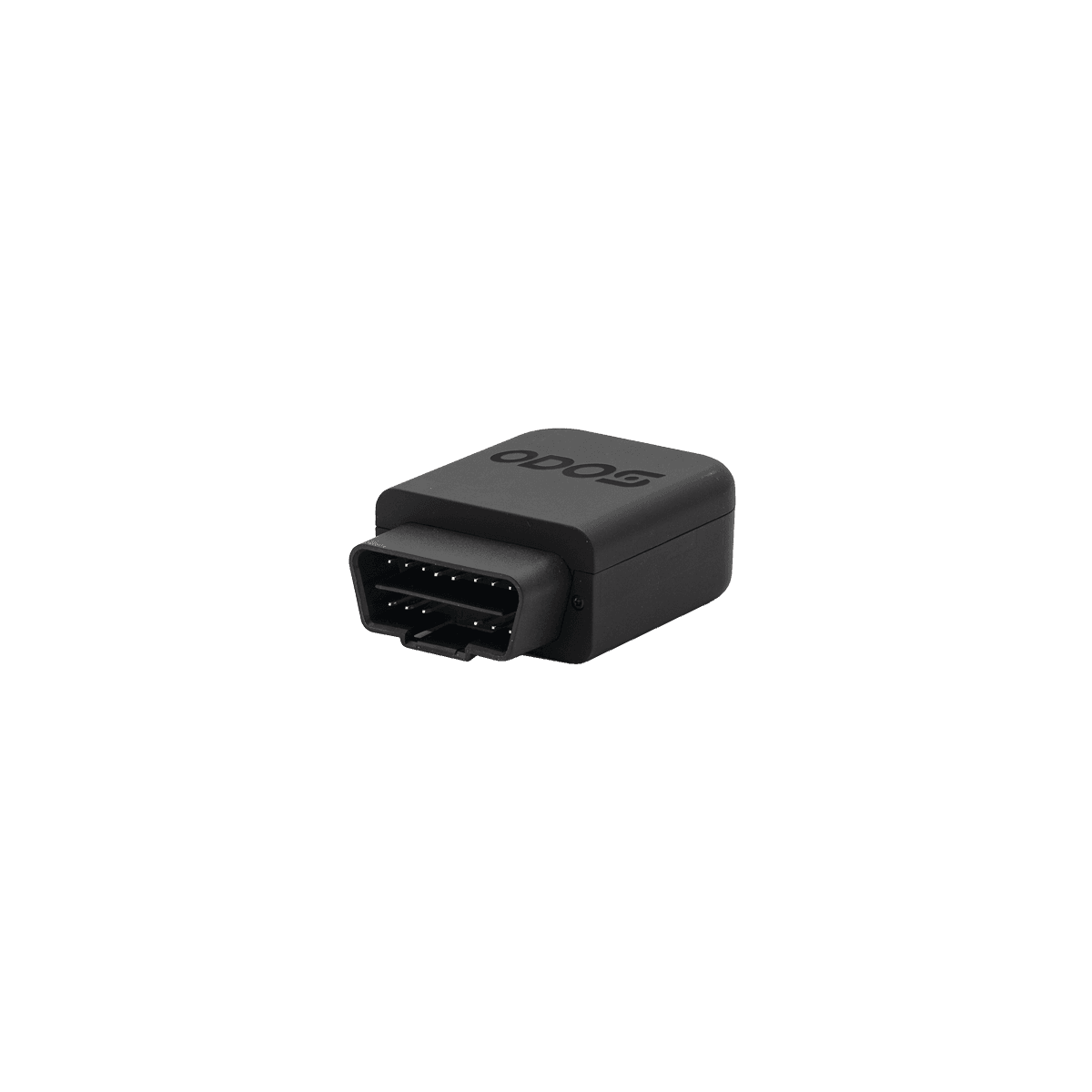
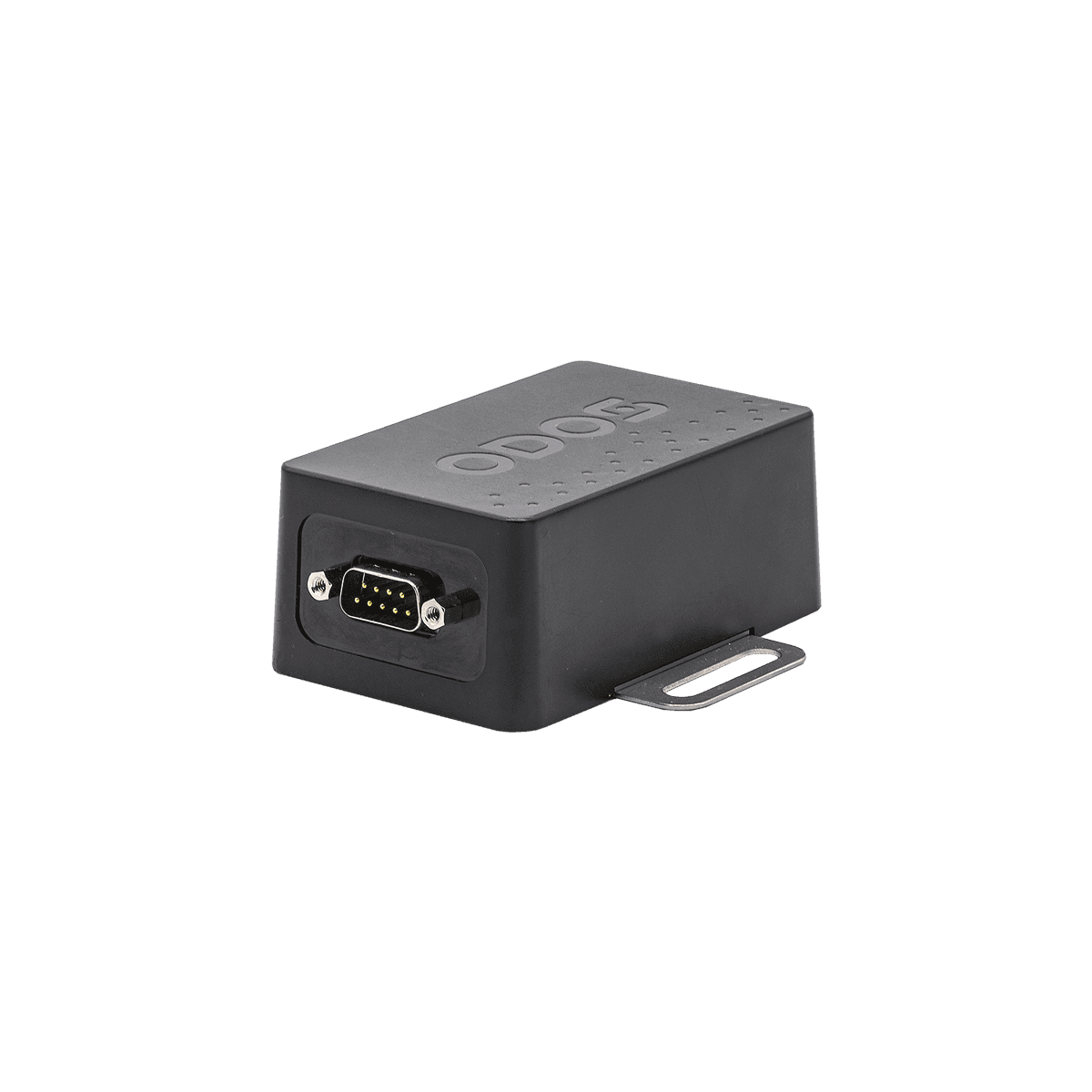
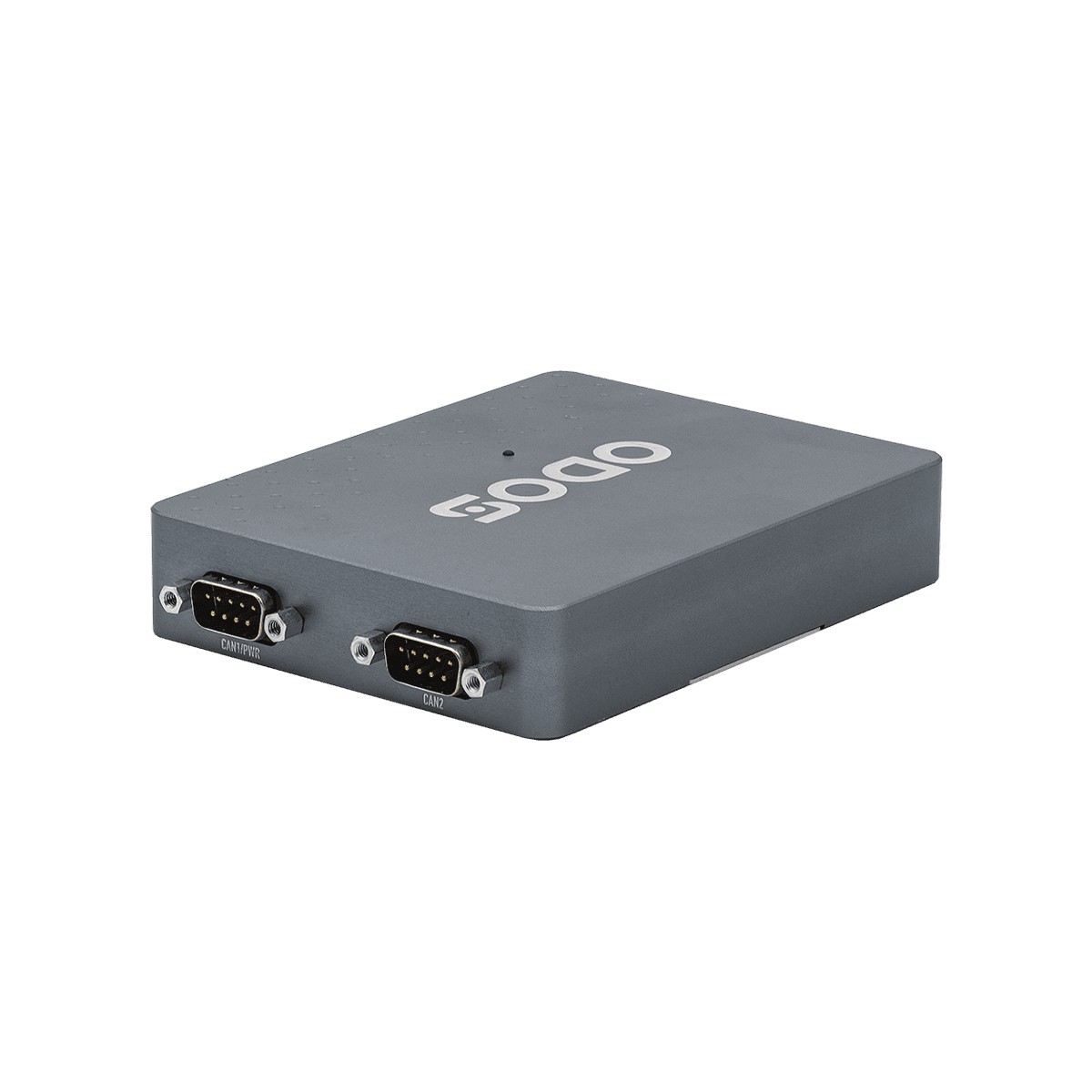
For simpler or more cost-sensitive assets, including trucks and auxiliary equipment, ODOS implemented the Microlog, ensuring reliable performance monitoring while maintaining cost efficiency. During development phases, ODOS also supplied prototype solutions such as the Minilog and Decalog Fleet Logger, allowing the client to test functionality and provide feedback as systems evolved.
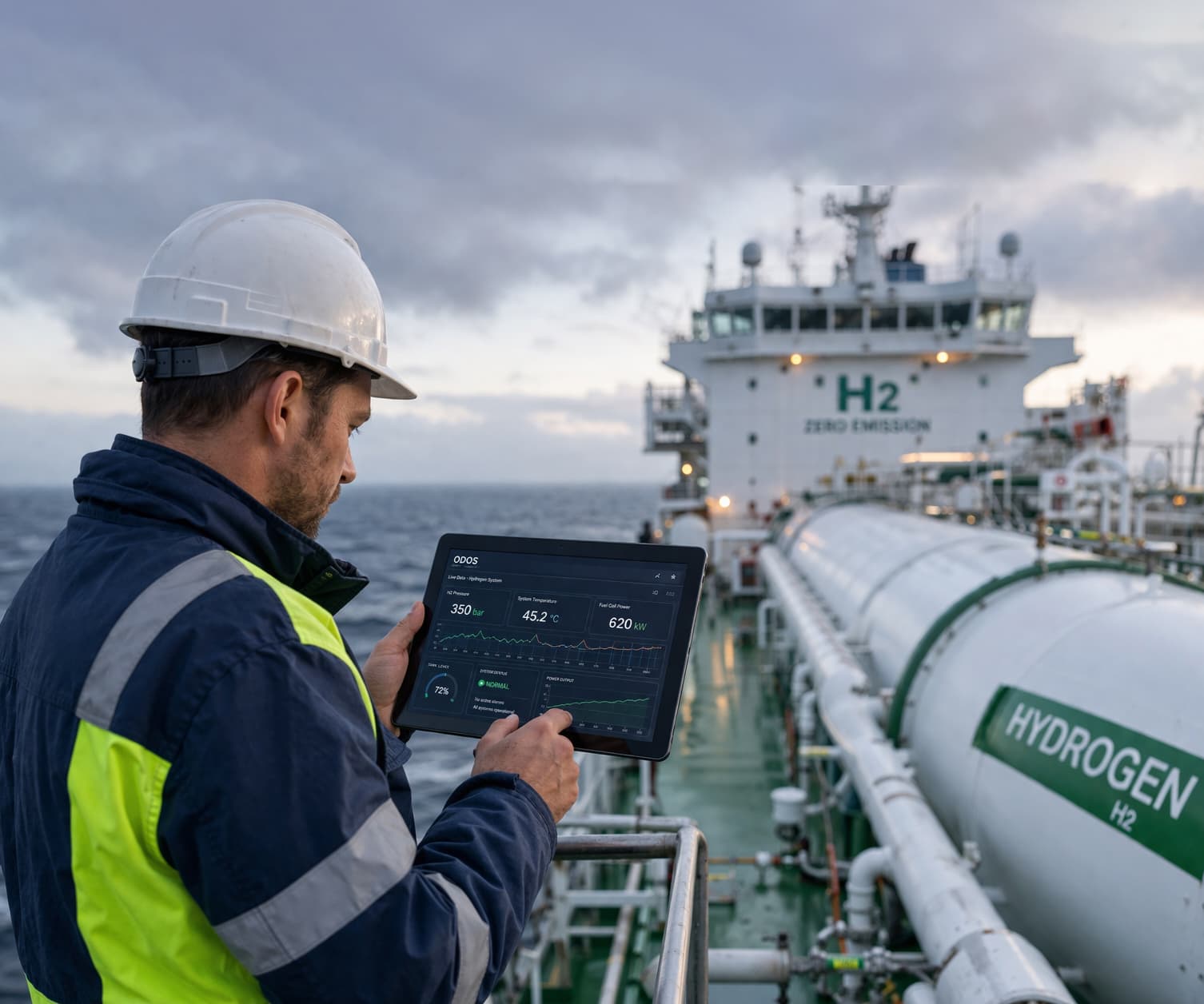
All ODOS logging solutions stream data via a secure data pipeline and REST API into a centralised fleet dashboard developed by the client. In parallel, ODOS’ own cloud dashboard is used as a secure device-management layer, enabling remote configuration, over-the-air updates, and ongoing optimisation of the logging infrastructure itself.
Together, this architecture enables:
ODOS hardware was integrated directly into the client’s assets across multiple international locations, with each logger configured to suit the specific asset type and required performance metrics. This ensured reliable, high-quality data capture across demanding maritime and industrial operating environments.
Through the ODOS dashboard, engineers can remotely update logger configurations, adjust logging strategies, and deploy firmware updates over the air. This eliminates the need for physical access to assets, reduces operational disruption, and allows the monitoring system to evolve alongside the growing and diversifying fleet.
All units were securely mounted and calibrated to operate consistently across varying duty cycles, climates, and operational profiles. Working closely with the client’s engineering teams, ODOS also supported the definition of key performance indicators and alert thresholds, enabling real-time performance monitoring, early detection of degradation, and proactive intervention before issues escalate into faults or failures.
“ODOS has been instrumental in providing monitoring solutions across our hydrogen fleet. The loggers give us real-time visibility, helping us detect issues before they become problems and enabling our engineering teams to optimise performance. Working with one supplier across a diverse range of assets has significantly simplified our operations and supported our decarbonisation goals.”
Chief Engineer – Hydrogen Systems
Global maritime and logistics company
Contact Us
Website: https://odosolutions.com/
Email: sales@odosolutions.com