In hydrogen motorsport, competitive advantage is decided by how fast teams turn live data into action. Forze Hydrogen Racing operates at the limits of fuel cell, thermal and hybrid powertrain performance, where delayed insight creates risk and costs track time. By deploying ODOS real time telemetry and cloud data logging, engineers gained continuous visibility of critical systems and began analysing data before the car returned to the pits. This enabled faster decisions, safer operation near system limits, longer test runs and reduced manual workflows. The result was accelerated development and a clear performance edge, proving that real time cloud connected telemetry is now a strategic requirement, not an optional upgrade.
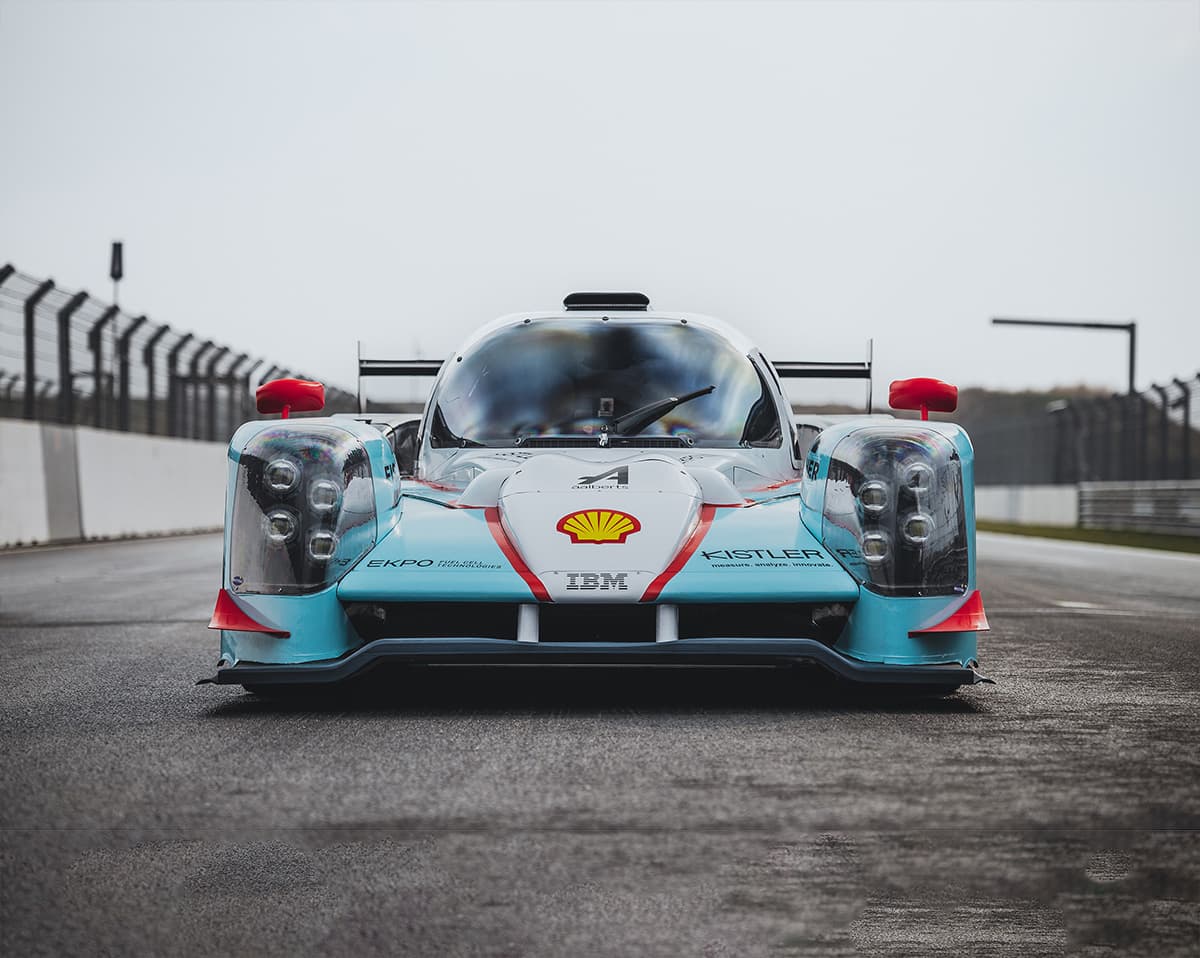
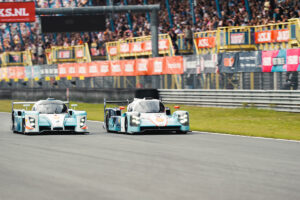
Forze Hydrogen Racing is pioneering the future of sustainable motorsport through the development and operation of a competitive hydrogen-powered race car. Their mission is to push the boundaries of hydrogen fuel-cell technology while demonstrating its potential in high-performance racing environments.
Hydrogen racing brings unique engineering challenges, from managing advanced fuel-cell systems to integrating hybrid drivetrains. These technologies demand precise real-time monitoring and optimisation. To stay competitive, the team needed a telemetry solution capable of handling large, diverse data streams and supporting rapid decision-making both in the workshop and on the track.
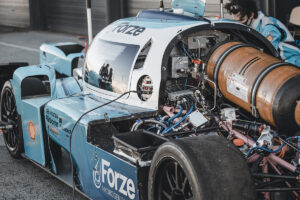
Hydrogen Racing faced significant challenges in collecting and analysing live data during the car’s development and testing phases. Motorsport already generates immense amounts of telemetry, but hydrogen systems add another layer of complexity, with fuel-cell, cooling and accumulator systems all requiring close monitoring.
Traditional telemetry setups were either too costly, too large, or lacked the flexibility to handle the team’s unique combination of data sources.
The engineers needed a solution that could:
• Capture and process high-volume, high-rate data streams in real time
• Integrate seamlessly with existing embedded systems
• Support remote access and cloud-based collaboration across disciplines
• Survive the harsh, fast-paced motorsport environment
• Provide simple interfacing and compact packaging
• Offer built-in OTA configuration and analysis tools
Finding a telemetry platform that met all these criteria proved difficult, until the team discovered ODOS.
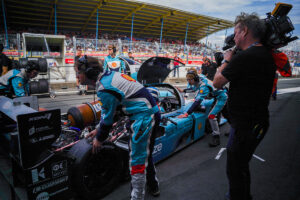
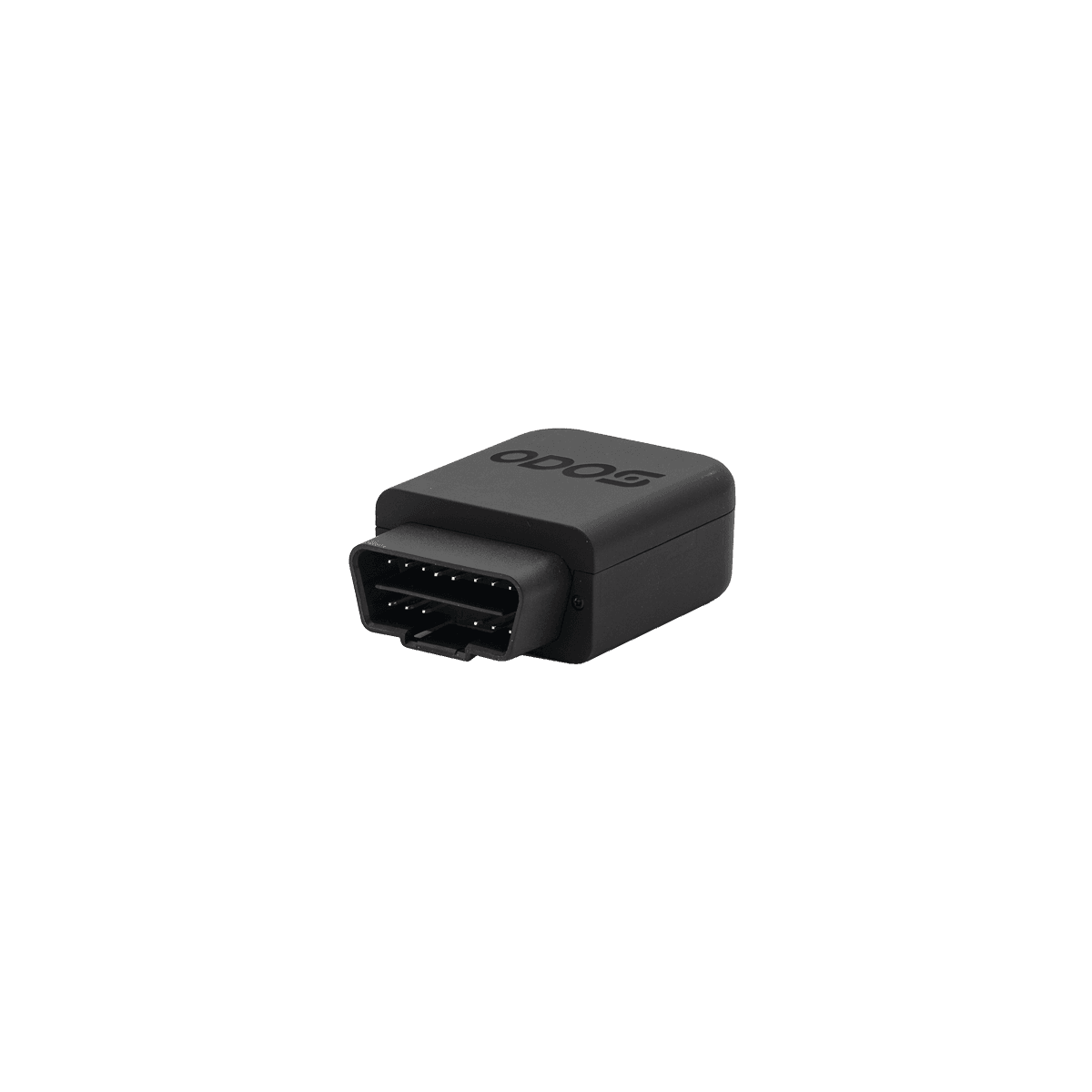
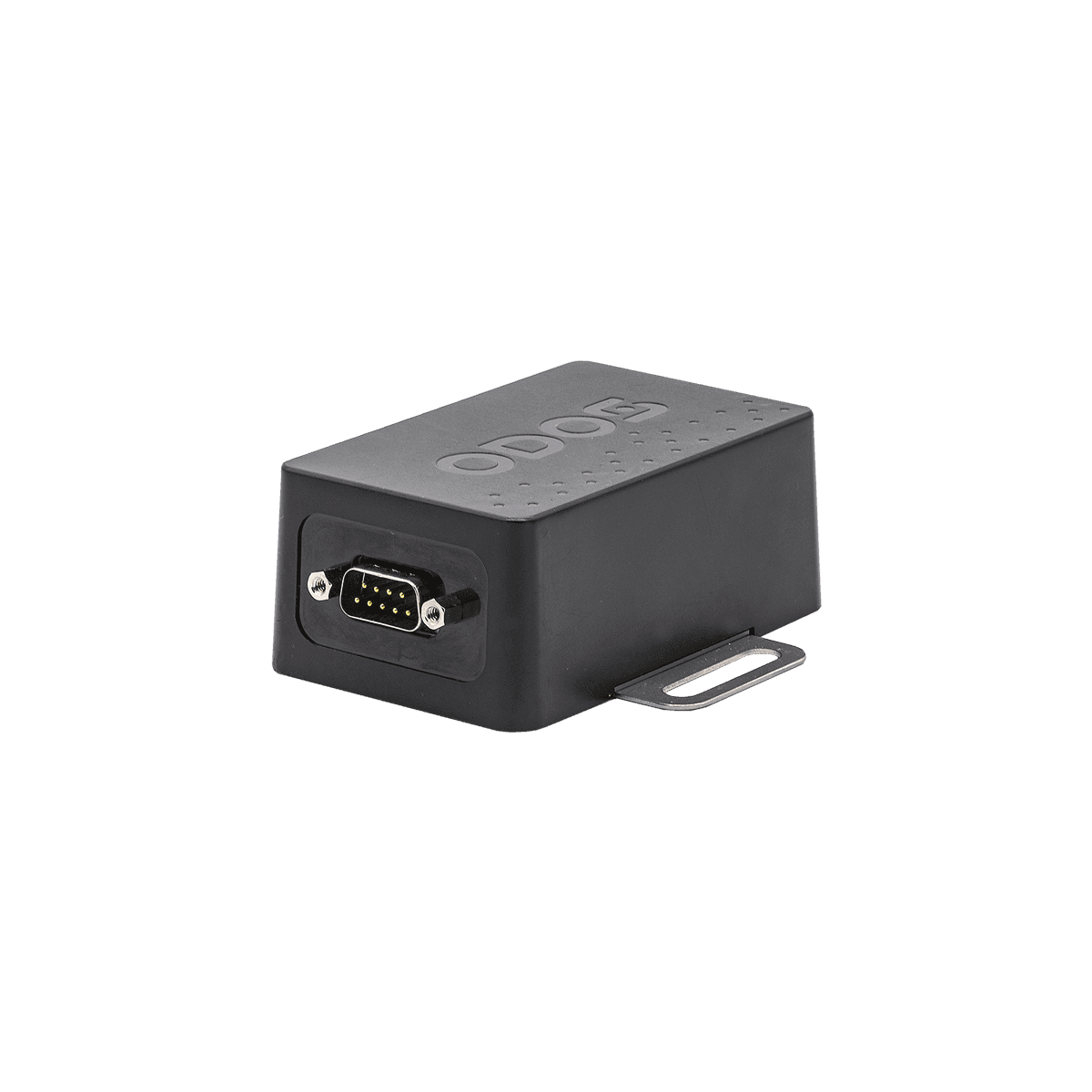
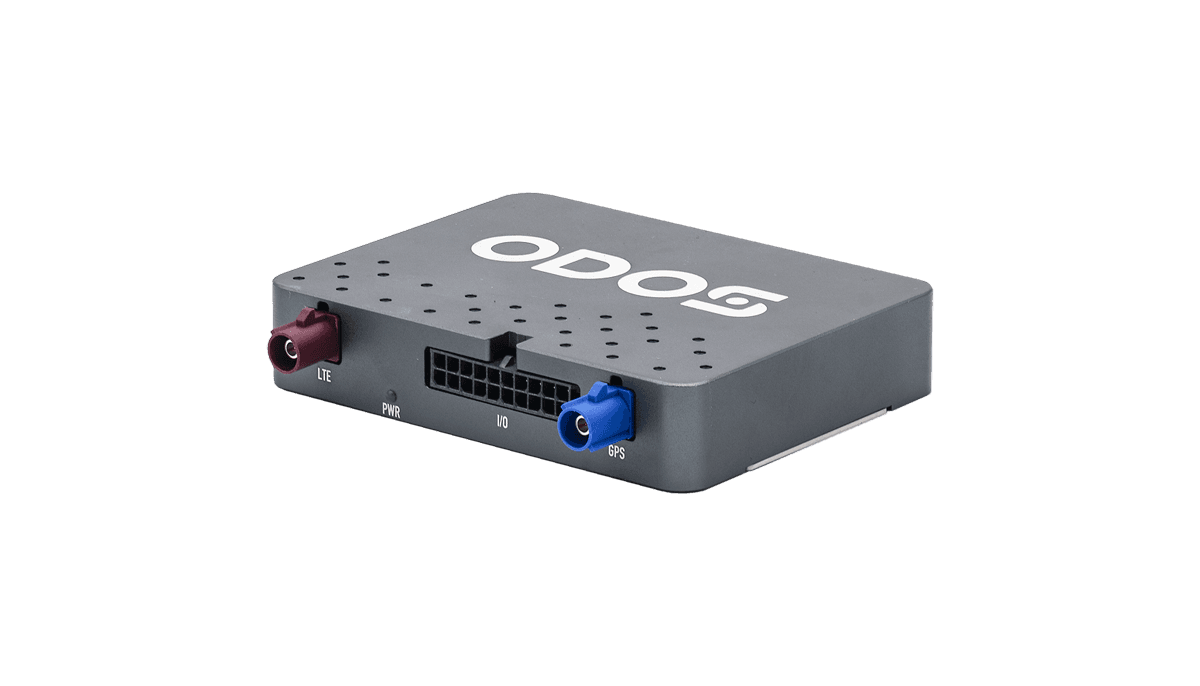
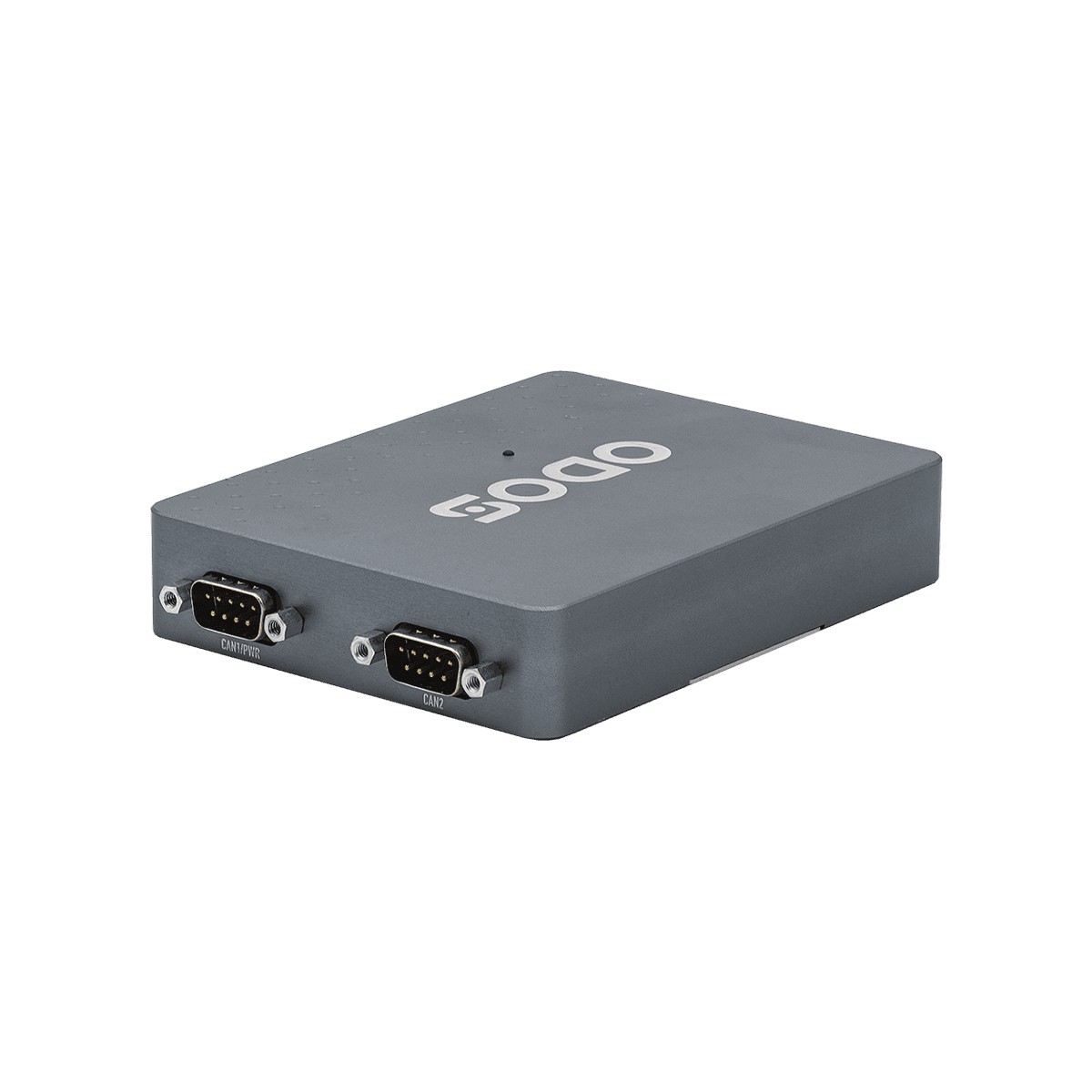
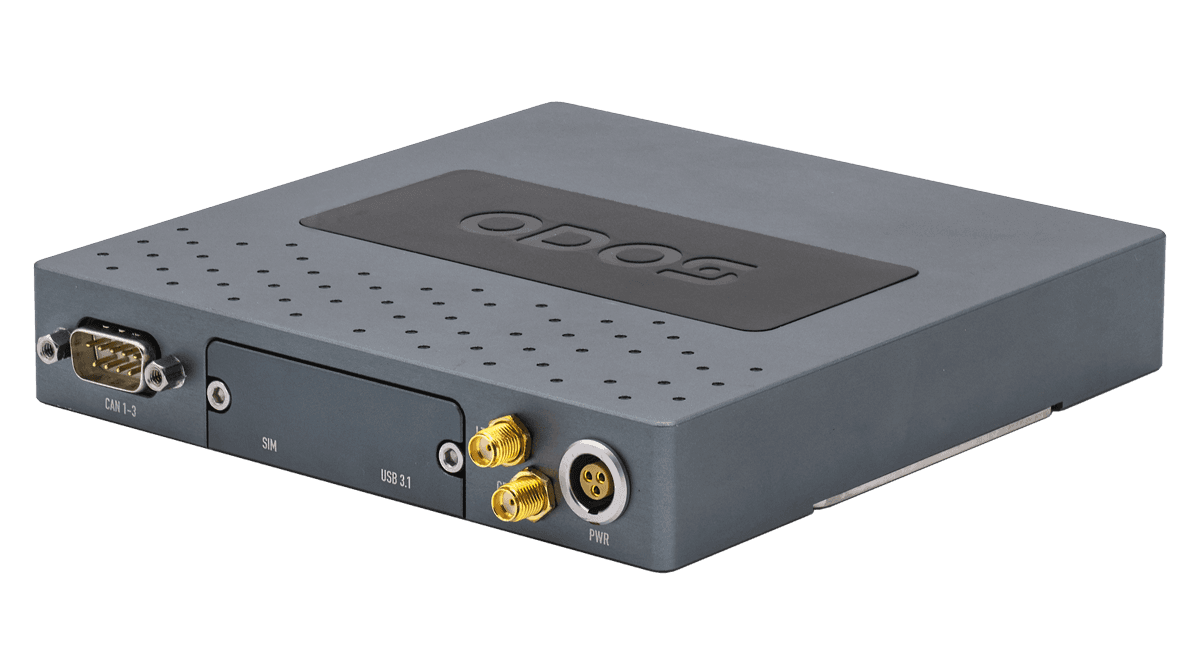
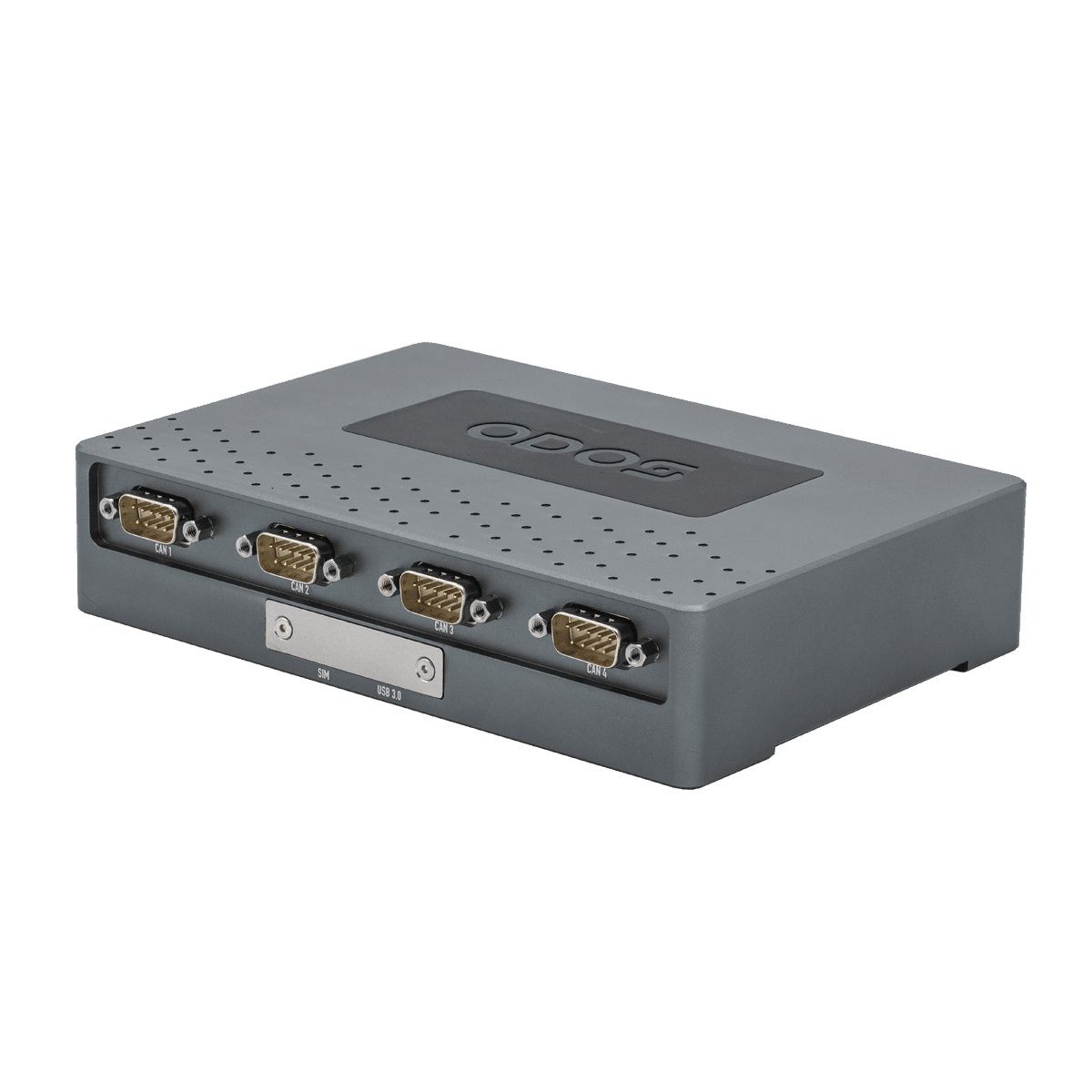
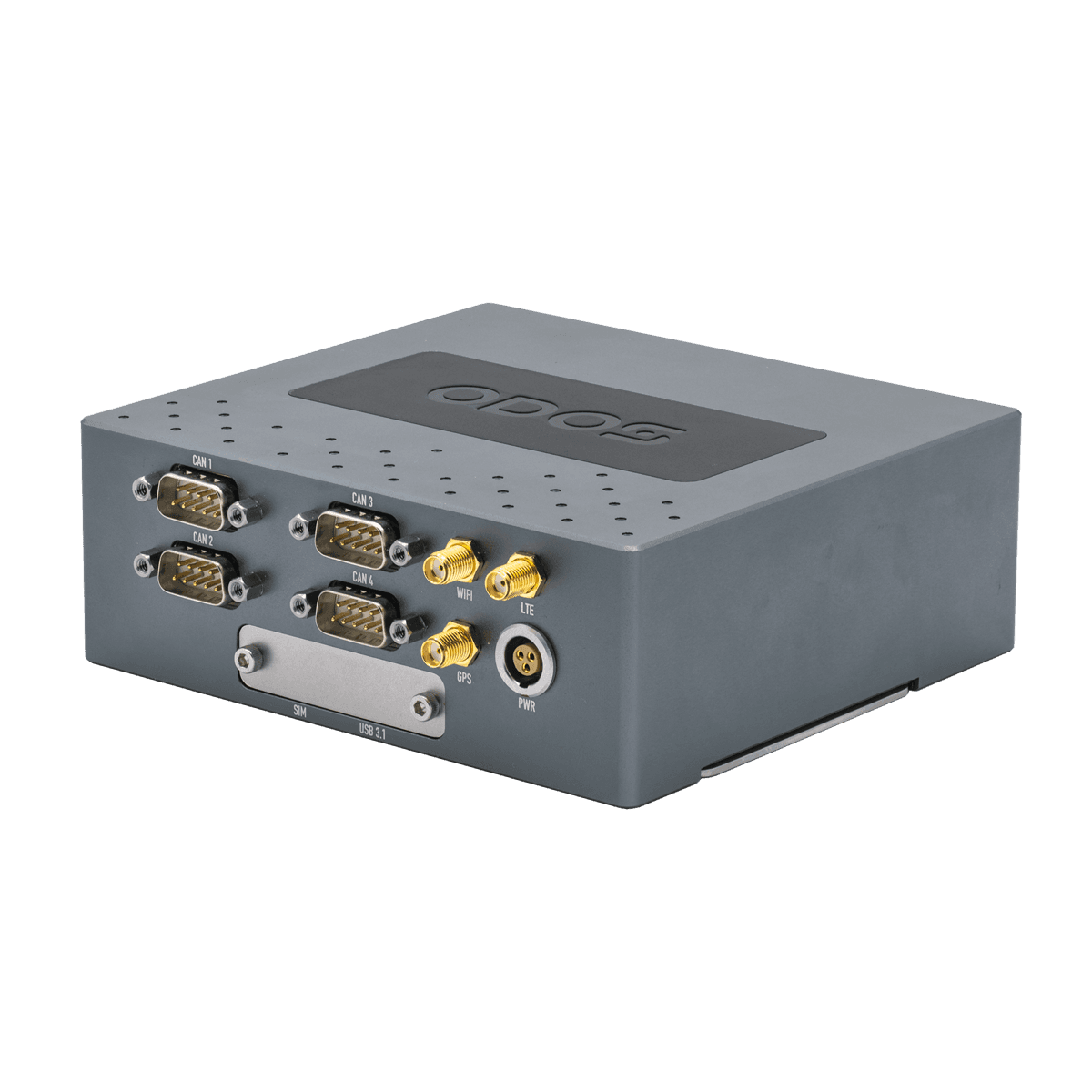
The team partnered with ODOS as part of a collaborative technical sponsorship supporting sustainable hydrogen innovation. ODOS supplied a compact, high-performance telemetry and data-logging system designed specifically for demanding engineering environments.
Rather than developing an in-house solution or investing in a costly motorsport-grade telemetry package, the team selected ODOS for its proven track record in hydrogen applications and its commitment to supporting sustainable innovation. ODOS had previously collaborated with other hydrogen racing projects, such as Hydromotion, which gave the engineers confidence in both the technology and the partnership.
The Minilog stood out for its compact form factor, simple interfacing, and ability to handle high data rates. The built-in OTA configuration, combined with integrated cloud-based analysis tools, allowed the team to adjust parameters remotely and analyse performance without complex software setups.
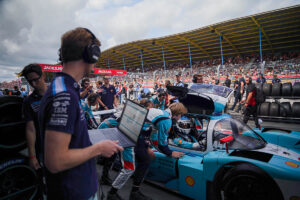
Integration was fast and straightforward. With industry-standard interfaces and protocols, the ODOS data logger connected easily to the vehicle’s embedded systems. The team routed critical data channels from:
• Fuel-cell system and stack health indicators
• Cooling loops and thermal cycles
• Accumulator and energy storage system
• Motors and powertrain performance
• Error codes and diagnostic flags for faster troubleshooting
Once connected, data began streaming directly to the ODOS cloud platform. Engineers could monitor live telemetry and analyse system performance in real time. Multidisciplinary team members could access dashboards simultaneously, making collaboration simple and efficient, whether trackside or off-site.
Because data streamed automatically, the driver no longer needed to offload data manually, freeing them to focus fully on racing and removing the dependency on steering-wheel information alone.
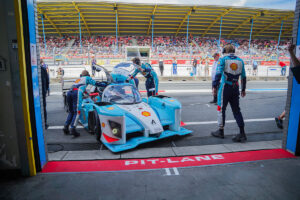
• Engineers began analysing live real-time data before the car returned to the pits, accelerating decision- making and reducing post-analysis workload.
• Cloud connectivity allowed quicker adjustments and safer operation especially when running close to system limits, minimising downtime.
• Integration required minimal setup time, allowing data collection and monitoring to start almost immediately.
• Live monitoring allowed the team to safely extend testing durations, because they always knew whether the system was operating within safe limits.
• Continuous tracking of fuel-cell stack health and key system parameters ensured the vehicle remained in the optimal operating window, critical for long-distance performance, fuel-cell longevity and driver safety throughout testing and racing.
• Monitoring error codes and diagnostic events in real time enabled earlier troubleshooting and faster root-cause analysis.
• Cloud dashboards enabled multiple engineers, across disciplines and locations, to view and interpret data simultaneously, improving collaboration and decision-making.
• Real-time monitoring during tests reduced post-session analysis time, since much of the work had already begun while the car was still running.
• The team leveraged ODOS dashboards to share live updates with spectators and supporters remotely, enhancing visibility and fan engagement.
“Motorsport generates huge amounts of data and with hydrogen technology, it’s even more complex. The Minilog has given us the ability to analyse multiple systems in real time, helping us make faster, smarter decisions during tests and races. The compact design with simple interfacing handles our data rates easily, and the built-in OTA configuration and cloud tools have changed how we collaborate as a team. We can even start analysing before the car comes back to the pits, saving us the hassle of manually offloading data which speeds up our workflow. ODOS has been a key partner in pushing our hydrogen project forward.”
Maurits de Sousa Nascimento
Forze Hydrogen Racing
Contact Us
Website: https://odosolutions.com/
Email: sales@odosolutions.com