Recent announcements around battery-electric rolling stock have provided further evidence of the direction of travel for UK rail. Battery technology is moving beyond individual trials and limited deployments towards playing a greater role across the network.
As that happens, the engineering conversation needs to move with it.
The question is no longer simply whether battery technology can work in rail. Increasingly, it is how these systems will perform after years of operation across different routes, duty cycles and environmental conditions – and how operators can identify changes in performance before they affect reliability.
Answering those questions will depend heavily on what can be learned from real-world operational data.
Introducing new technology into commercial operation is very different from proving that it works during development and testing. Rail assets operate for long periods in demanding environments. Batteries can be exposed to vibration and considerable temperature fluctuations, while their performance inevitably changes as they age.
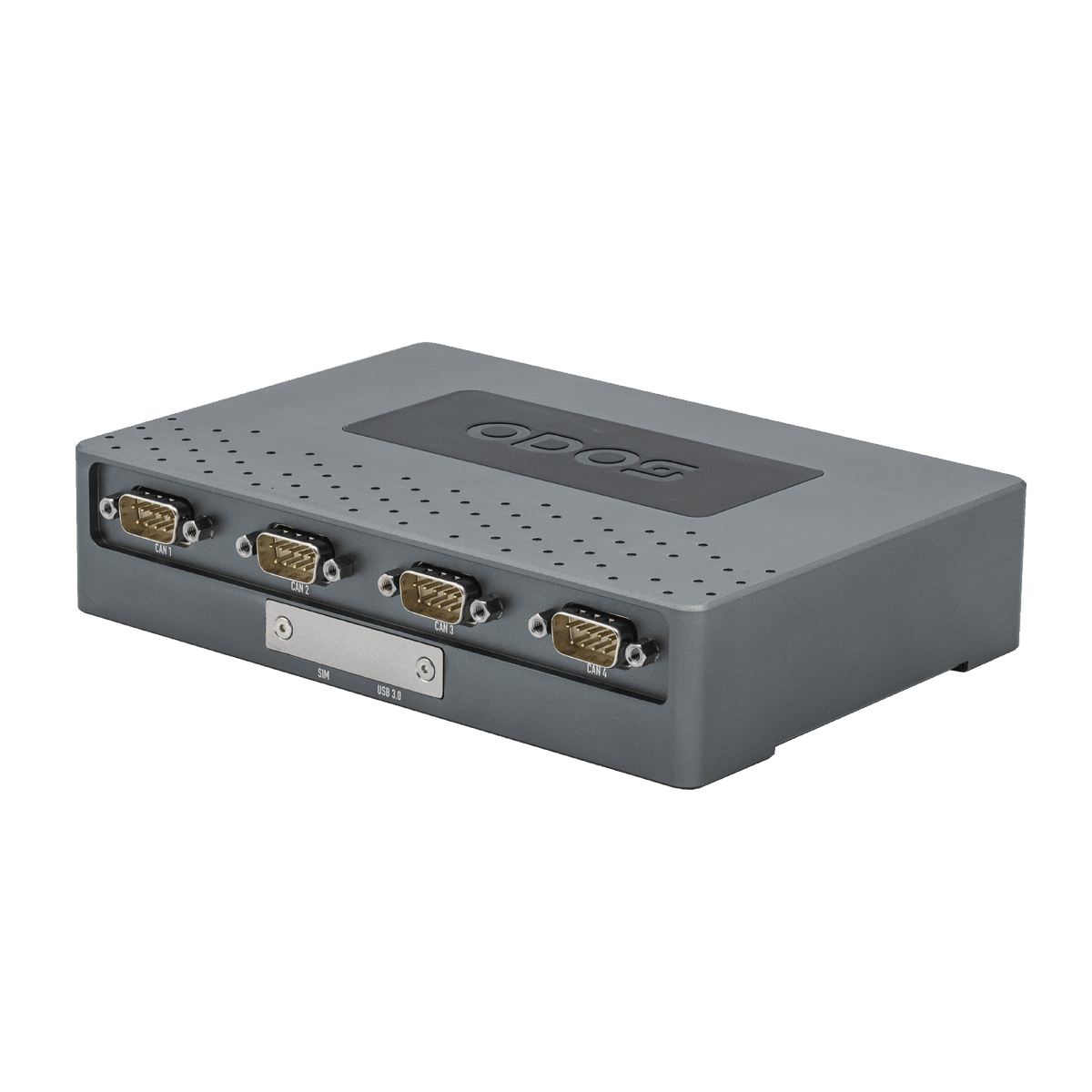
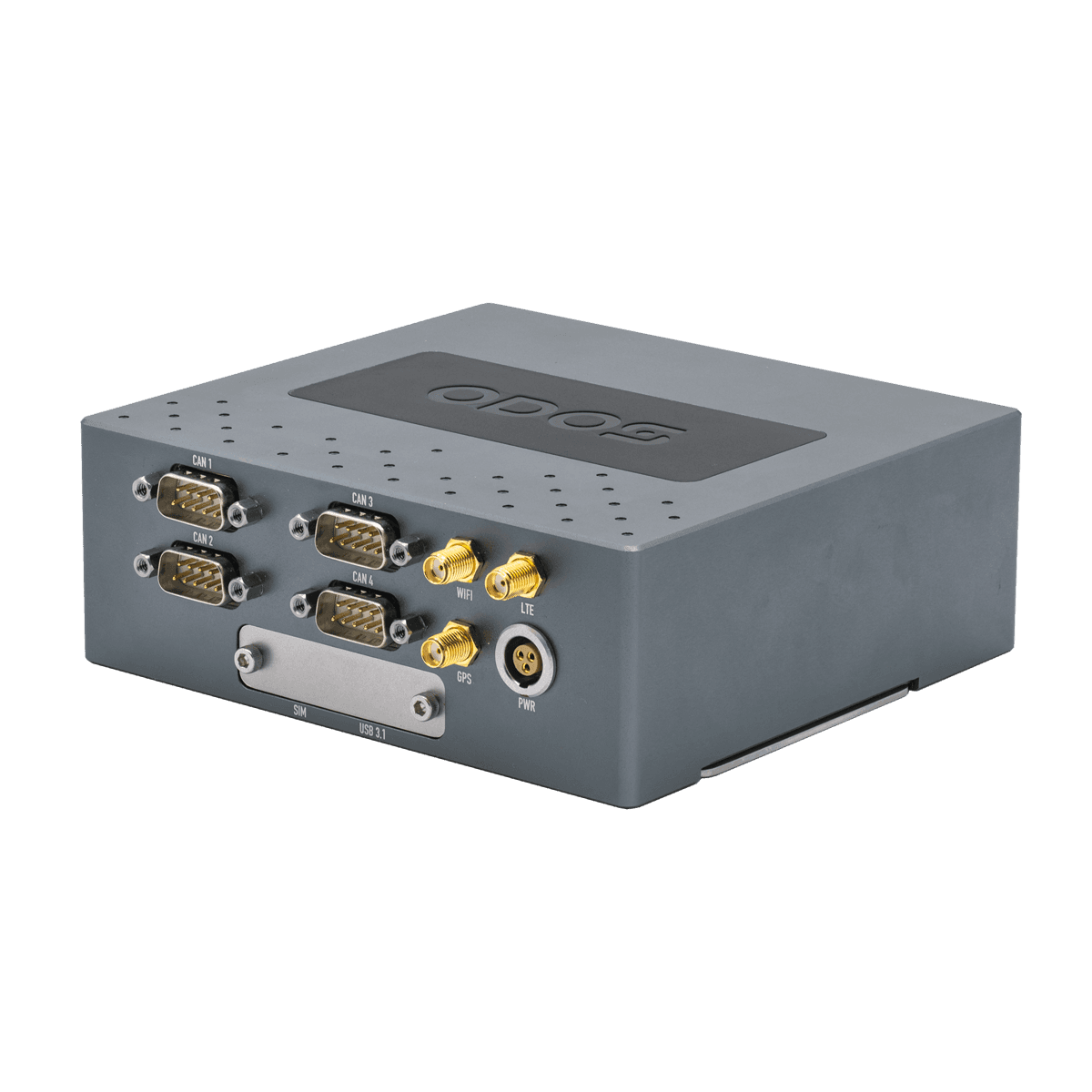
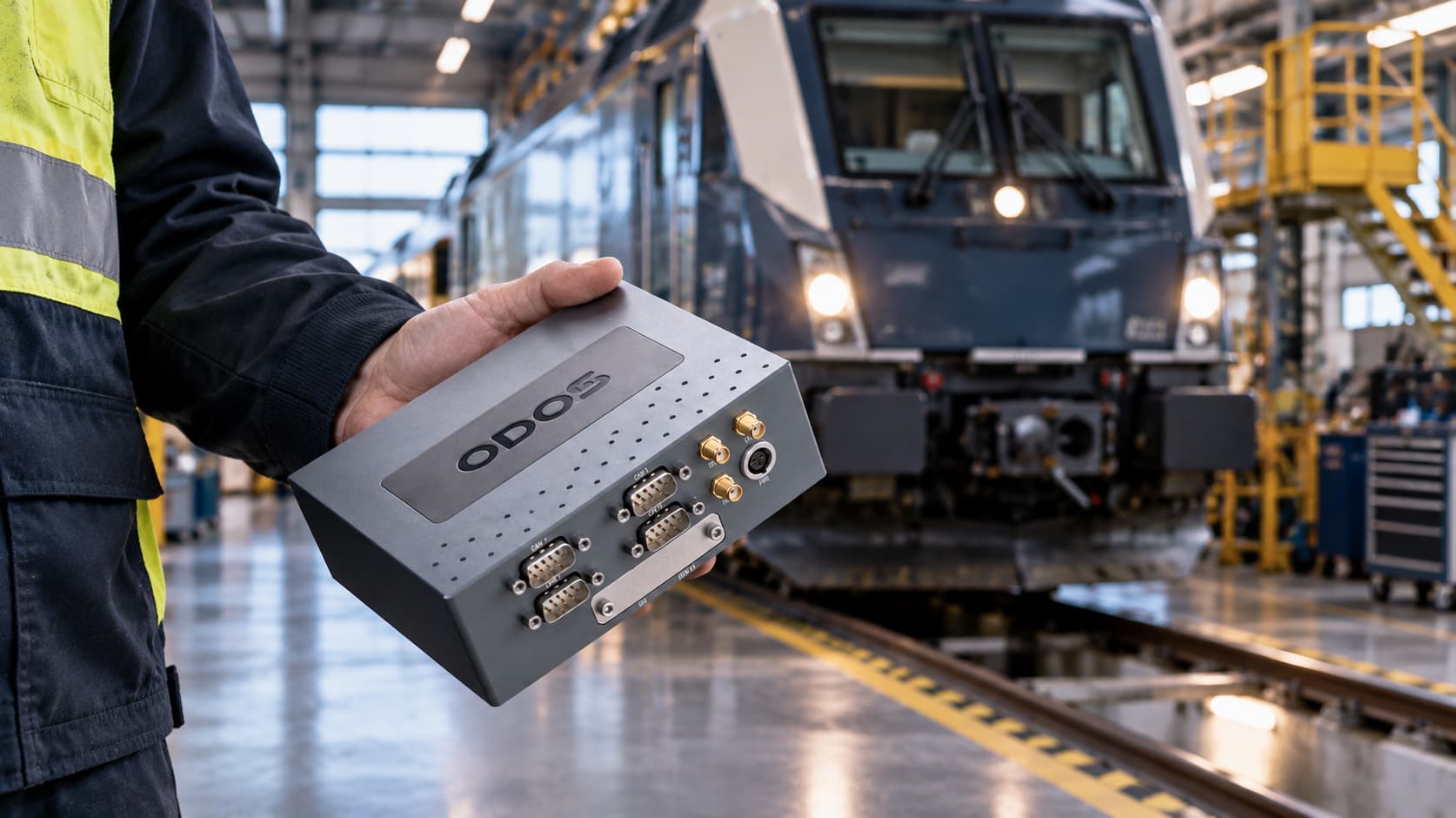
Engineering assumptions therefore need to be continually validated against real-world operating data. We have already seen the value of this through work with AMP Rail, where real-world monitoring provided detailed insight into lithium-ion battery performance under demanding rail operating conditions.
Monitoring parameters including voltage, charge cycles, temperature, current draw and degradation provided a much clearer understanding of how batteries were actually behaving in operation – rather than simply how they were expected to behave.
As battery technology takes on a greater role within rail, that distinction becomes increasingly important.
The benefits associated with lithium-ion technology are well understood. What is more difficult to predict is how an individual battery will perform throughout a long operational life. A battery performing as expected during its first months of service does not necessarily tell us how it will behave several years later.
Charging cycles, temperature, operating environment and duty profile can all influence degradation. Two apparently identical batteries could therefore age differently depending on how and where they are used.
This is where long-term operational data becomes particularly valuable.
Rather than relying solely on scheduled inspections or predetermined maintenance intervals, engineers can build a picture of how performance is changing over time. That evidence can inform decisions around charging strategies, maintenance intervals and replacement schedules. More importantly, it can help establish what ‘normal’ looks like for different applications, making deviations easier to identify.
In this way, data gathered from assets operating today can also help inform the development and management of future battery systems.
For operators and maintainers, one of the most valuable outcomes could be earlier intervention.
A gradual change in temperature profile, voltage stability or charging behaviour may not trigger an immediate alarm. Viewed alongside weeks or months of historical data, however, it may indicate that something is beginning to change.
This is a principle we have seen in practice. Real-time monitoring can enable emerging issues to be identified and historical trends analysed, reducing reliance on assumption-led diagnostics.
That matters in an industry where an unexpected failure can affect far more than the individual component involved.
The aim is to use the actual condition of the asset to inform maintenance decisions: identifying developing issues early enough to investigate them during planned maintenance rather than waiting until they result in disruption.
As operators continue to focus on fleet availability and reliability, the ability to move from reactive towards increasingly predictive maintenance could become one of the most valuable consequences of greater operational visibility.
The operating environment makes this particularly challenging. Rail equipment can face rain, dust, constant vibration and considerable temperature variation. Temperature itself has a direct influence on battery performance and degradation, while abnormal thermal patterns can provide an early indication of a developing issue.
Experience from rail trials has shown why monitoring under actual operating conditions matters. Capturing temperature patterns, current draw and other parameters over time can reveal behaviour that periodic inspection alone may not identify.
But simply generating more data is not the answer. A single reading may tell an engineer very little. The value comes from understanding context and trends – and being able to recognise when a change is significant enough to warrant investigation.
As battery systems become increasingly sophisticated, engineering teams will therefore need to identify which parameters matter, understand how they interact and use growing volumes of information to inform engineering decisions.
This becomes increasingly important as battery technology takes on a greater role within rail.
Experience from projects such as our work with AMP Rail has demonstrated the value of capturing battery performance under real operating conditions. Monitoring parameters over time provides engineers with the context needed to distinguish normal variation from behaviour that may warrant further investigation.
As battery technology is adopted more widely, there is an opportunity to apply this principle across more complex rail applications and larger fleets.
Data gathered across different routes, operating environments, duty cycles and stages of battery lifecycle can help validate engineering assumptions, identify patterns and inform future system design, testing and maintenance strategies.
It also creates an important feedback loop between operation and development.
Rather than knowledge remaining with an individual asset or project, operational experience can help engineers understand how technologies behave in service and how their performance changes over time. Those lessons can then feed back into subsequent generations of equipment.
As adoption grows, so too does the body of real-world evidence from which the industry can learn.
This is perhaps the bigger challenge as battery-electric rail scales. More connected assets inevitably mean more information. But collecting increasing volumes of data is not, in itself, the objective.
For operators and engineering teams, the value lies in being able to answer practical questions: Is this asset behaving differently from comparable assets? Is performance degrading faster than expected? Is a temperature variation significant? Does an emerging pattern justify intervention? Could maintenance be planned before the issue affects availability?
Those are very different questions from simply asking whether a system is operating within a predetermined threshold. They require historical context and the ability to understand behaviour over time.
That is why the next phase of battery adoption should not focus solely on deployment. Equal consideration needs to be given to how the technology’s performance will be understood and managed throughout its working life.
Recent momentum behind battery-electric rail is significant, but getting new technology onto the network is only one measure of progress. Its longer-term success will depend on how reliably it performs after hundreds of thousands of miles and many years of operation.
Understanding how batteries age, how different operating conditions affect them, when intervention is required and how lessons from one generation can inform the next will all be important. Our experience of monitoring lithium-ion technology in rail has already demonstrated a simple principle: the more evidence engineers have about how technology behaves in the real world, the better equipped they are to understand its limitations, improve its performance and build confidence in its wider adoption.
As battery-electric rail scales, the challenge will not simply be generating more data. It will be knowing what that data is telling us – and acting on it early enough to make a difference.